What Is MTSS in Education? Complete 2026 Guide to Multi-Tiered System of Supports
Key Takeaways: What Is MTSS in Education?
- MTSS is a comprehensive framework: Multi-Tiered System of Supports (MTSS) is an evidence-based educational framework that addresses academic, behavioral, and social-emotional needs of all students through increasingly intensive levels of support.
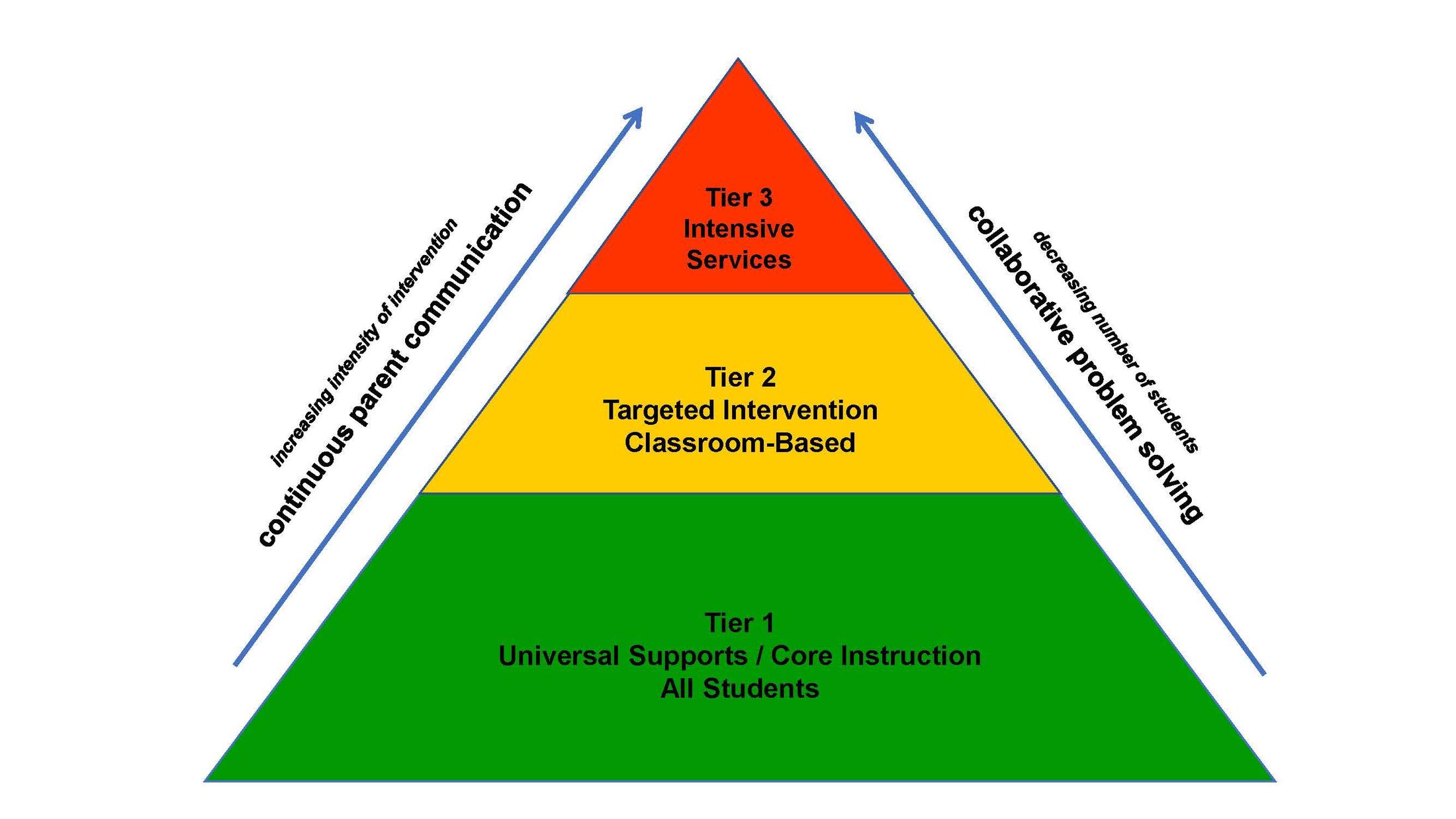
- Three-tier structure: MTSS uses three tiers of intervention—Tier 1 (universal support for all students, 80%), Tier 2 (targeted support for at-risk students, 15%), and Tier 3 (intensive individualized support, 5%).
- MTSS vs RTI: While Response to Intervention (RTI) focuses primarily on academics, MTSS is broader and encompasses academic, behavioral, and social-emotional supports under one unified framework.
- Data-driven decision making: MTSS relies heavily on universal screening, progress monitoring, and data analysis to identify student needs and determine appropriate interventions.
- Whole-child approach: Unlike narrower intervention models, MTSS addresses the complete spectrum of student needs, recognizing that academic success often depends on behavioral and emotional well-being.
- Implementation takes time: Successfully implementing MTSS typically requires 3-5 years and involves district-wide commitment, professional development, and systemic change.
Introduction: Understanding MTSS in Modern Education
Every student learns differently, and every student faces unique challenges on their educational journey. Some struggle with reading, others with math, and many face behavioral or emotional obstacles that impact their ability to succeed in school. For decades, educators have searched for systematic approaches to identify and support struggling students before they fall too far behind. Enter MTSS—the Multi-Tiered System of Supports—a comprehensive framework that has transformed how schools approach student intervention and support.
MTSS represents a fundamental shift in educational thinking. Rather than waiting for students to fail before providing help, MTSS emphasizes early identification, proactive intervention, and continuous progress monitoring. The framework integrates academic instruction, behavioral support, and social-emotional learning into a cohesive system that addresses the whole child. Understanding why education is important helps explain why frameworks like MTSS are essential for ensuring every student has the opportunity to succeed.
In this comprehensive guide, we'll explore everything you need to know about MTSS in education. From understanding the three-tier structure to comparing MTSS with RTI, from implementation strategies to practical classroom applications, this guide provides educators, parents, and administrators with the knowledge needed to support student success through evidence-based intervention frameworks.
What Is MTSS? A Complete Definition
MTSS, which stands for Multi-Tiered System of Supports, is an evidence-based framework that schools use to systematically provide differentiated instruction and intervention to all students based on their individual needs. The framework integrates academic instruction, behavioral support, and social-emotional learning into a unified system designed to help every student achieve their full potential.
At its core, MTSS is built on the principle that all students can learn when provided with appropriate instruction and support. The framework uses data to identify students who are struggling, matches them with appropriate interventions, monitors their progress, and adjusts support based on results. This proactive, prevention-focused approach aims to catch problems early before they become severe learning gaps.
The Four Essential Components of MTSS
According to the MTSS Center, the framework comprises four essential components that work together to support student success:
- Universal Screening: All students are screened multiple times per year to identify those who may be at risk for academic or behavioral difficulties. Screening assessments are brief, valid, and reliable measures that help educators identify students who need additional support.
- Progress Monitoring: Students receiving interventions are regularly assessed to measure their response to instruction. Progress monitoring data helps educators determine whether interventions are working and when adjustments are needed.
- Multi-Level Prevention System: MTSS provides multiple levels (tiers) of increasingly intensive support. Students move between tiers based on their needs and response to intervention.
- Data-Based Decision Making: All decisions about student placement, intervention selection, and tier movement are based on data rather than assumptions or intuition.
Understanding what curriculum in education means helps educators see how MTSS integrates with core instructional programming to create a comprehensive support system.
The Three Tiers of MTSS Explained
MTSS uses a three-tiered pyramid structure to organize intervention intensity. Think of this pyramid as a framework for allocating resources and support based on student needs. The goal is to provide the right level of support to each student—not too little, not too much—to maximize educational outcomes.
Tier 1: Universal Instruction (All Students)
Tier 1 represents the foundation of the MTSS pyramid and includes the core instruction and support provided to all students in a school. This tier is often called "universal" because every student receives this level of instruction regardless of their individual needs.
- Population: 100% of students receive Tier 1 instruction
- Expected outcome: Approximately 80% of students should make adequate progress with Tier 1 instruction alone
- Focus: High-quality, evidence-based core curriculum delivered through effective teaching practices
- Setting: General education classroom with all students
- Duration: Continuous throughout the school year
Tier 1 instruction should be differentiated to meet diverse learning needs within the general classroom. Teachers use various instructional strategies, flexible grouping, and scaffolding techniques to ensure all students can access the curriculum. When Tier 1 instruction is strong, fewer students require more intensive intervention at higher tiers.
Tier 2: Targeted Intervention (Some Students)
Tier 2 provides targeted intervention for students who are not making adequate progress with Tier 1 instruction alone. These students are identified through universal screening and ongoing assessment as needing additional support to meet grade-level expectations.
- Population: Approximately 15% of students typically need Tier 2 support
- Expected outcome: Most students should respond positively and eventually need only Tier 1 support
- Focus: Supplemental instruction targeting specific skill gaps
- Setting: Small groups of 3-6 students with similar needs
- Duration: Typically 20-40 minutes per day, 3-5 times per week, for 9-12 weeks
- Delivery: Provided by classroom teachers, intervention specialists, or trained paraprofessionals
Tier 2 interventions are provided in addition to, not instead of, Tier 1 core instruction. Students continue participating in general classroom instruction while receiving supplemental support. Progress is monitored frequently—typically every 2-4 weeks—to determine whether the intervention is working.
Tier 3: Intensive Intervention (Few Students)
Tier 3 represents the most intensive level of intervention for students who have not responded adequately to Tier 1 and Tier 2 supports. These students require individualized, intensive intervention to address significant skill deficits.
- Population: Approximately 5% of students typically need Tier 3 support
- Expected outcome: Students make significant progress toward closing skill gaps
- Focus: Intensive, individualized intervention addressing foundational skill deficits
- Setting: One-on-one or very small groups of 1-3 students
- Duration: 45-60+ minutes per day, daily, for extended periods
- Delivery: Provided by specialists, special education teachers, or highly trained interventionists
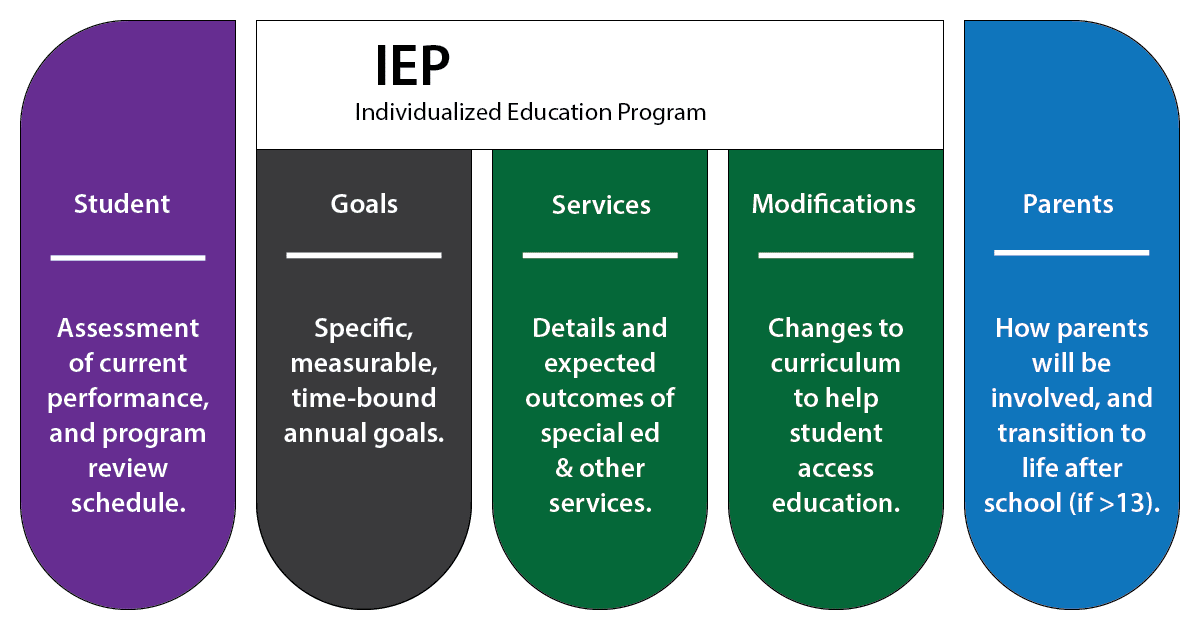
Students at Tier 3 may also be evaluated for special education services if their lack of response to intervention suggests a possible learning disability. Understanding what IEP in education means is important because MTSS data often informs special education evaluation and placement decisions.
MTSS vs RTI: Understanding the Difference
One of the most common questions about MTSS is how it differs from Response to Intervention (RTI). While the two frameworks share similarities—both use tiered intervention and data-based decision making—there are important distinctions that educators should understand.
What Is RTI (Response to Intervention)?
RTI emerged in the early 2000s as a proactive approach to identifying students with learning difficulties and providing early intervention. The RTI framework focuses primarily on academic intervention, using a tiered system to provide increasingly intensive reading and math support to struggling students.
- RTI focuses specifically on academic skills (primarily reading and math)
- The framework uses universal screening to identify at-risk students
- Interventions are delivered in tiers based on student need
- Progress monitoring tracks student response to intervention
- Data informs decisions about tier placement and movement
How MTSS Expands Beyond RTI
MTSS can be thought of as an expansion and evolution of RTI. While RTI focuses narrowly on academics, MTSS provides a comprehensive framework that addresses the full range of student needs:
- Academic support: Like RTI, MTSS addresses reading, math, and other academic skills
- Behavioral support: MTSS incorporates Positive Behavioral Interventions and Supports (PBIS) to address behavioral needs
- Social-emotional learning: MTSS includes support for students' emotional well-being, social skills, and mental health
- Systemic focus: MTSS addresses system-level factors including leadership, professional development, and school climate
- Whole-child approach: MTSS recognizes that academic, behavioral, and emotional needs are interconnected
Think of it this way: RTI lives within the broader MTSS framework. Schools implementing MTSS use RTI principles for academic intervention while also addressing behavioral and social-emotional needs through the same tiered system. This integrated approach recognizes that students often need support in multiple areas to succeed academically.
Why Many Schools Prefer MTSS
Many educators and districts prefer MTSS over RTI because of its comprehensive approach. Research shows that academic struggles often stem from behavioral or emotional issues—a student who is anxious, depressed, or experiencing trauma may struggle to focus on learning regardless of academic intervention quality. By addressing the whole child, MTSS creates conditions for academic success.
The holistic approach aligns well with what holistic education means—educating the complete person rather than focusing solely on academic skills.
Academic MTSS: Supporting Reading and Math
The academic component of MTSS focuses on providing tiered instruction and intervention for reading, math, and other core academic skills. Strong academic MTSS systems ensure all students have access to high-quality core instruction while providing additional support for those who need it.
Reading Intervention in MTSS
Reading is often the primary focus of academic MTSS because literacy skills are foundational to success in all subject areas. Understanding what STEM education means shows how foundational reading skills affect performance across subjects. Effective reading intervention within MTSS addresses the five essential components of reading:
- Phonemic awareness: Understanding that words are made up of individual sounds
- Phonics: Understanding sound-letter relationships and decoding skills
- Fluency: Reading accurately and quickly with appropriate expression
- Vocabulary: Understanding word meanings and building word knowledge
- Comprehension: Understanding and making meaning from text
Universal screening for reading typically occurs three times per year (fall, winter, spring) using assessments that measure skills predictive of reading success. Students identified as at-risk receive Tier 2 intervention targeting their specific skill gaps. Those who don't respond to Tier 2 move to more intensive Tier 3 intervention.
Math Intervention in MTSS
Math intervention follows similar MTSS principles, though implementation has historically lagged behind reading. Effective math MTSS addresses:
- Number sense: Understanding numbers, quantities, and relationships
- Computational fluency: Accurate and efficient calculation skills
- Problem-solving: Applying mathematical concepts to solve real-world problems
- Mathematical reasoning: Logical thinking and mathematical communication
Students can track their academic progress using tools like our GPA calculator and grade calculator to understand where they stand and set improvement goals.
Behavioral MTSS: PBIS Integration
The behavioral component of MTSS typically incorporates Positive Behavioral Interventions and Supports (PBIS), a framework for creating positive school environments and teaching appropriate behavior. When integrated with academic MTSS, PBIS creates a comprehensive system addressing both learning and behavior.
How PBIS Works Within MTSS
PBIS uses the same three-tier structure as academic intervention:
- Tier 1 (Universal): School-wide expectations, positive reinforcement systems, and proactive classroom management for all students. Approximately 80% of students respond to Tier 1 supports.
- Tier 2 (Targeted): Small group interventions for students at risk for behavioral problems. Examples include Check-In/Check-Out, social skills groups, and mentoring programs. Serves approximately 15% of students.
- Tier 3 (Intensive): Individualized behavior intervention plans for students with significant behavioral challenges. Includes functional behavior assessment and wraparound supports. Serves approximately 5% of students.
Understanding what character education means provides additional context for how schools teach behavioral expectations and social skills within MTSS frameworks.
The Connection Between Behavior and Academics
Research consistently demonstrates the connection between behavior and academic achievement. Students who exhibit behavioral problems are more likely to struggle academically, and students who struggle academically are more likely to exhibit behavioral problems. MTSS addresses this cycle by:
- Providing behavioral support that enables students to focus on learning
- Addressing academic gaps that may trigger frustration and behavioral issues
- Creating positive school environments where all students feel safe and supported
- Teaching social-emotional skills that support both behavior and learning
Social-Emotional Learning (SEL) in MTSS
The social-emotional component of MTSS addresses students' emotional well-being, social skills, and mental health needs. SEL is increasingly recognized as essential for student success—research shows that social-emotional skills predict academic achievement, career success, and life satisfaction.
Core SEL Competencies
According to CASEL (Collaborative for Academic, Social, and Emotional Learning), SEL develops five core competencies. These competencies relate closely to what liberal arts education provides:
- Self-awareness: Recognizing emotions, strengths, and areas for growth
- Self-management: Regulating emotions, controlling impulses, and setting goals
- Social awareness: Understanding others' perspectives and showing empathy
- Relationship skills: Building healthy relationships and working collaboratively
- Responsible decision-making: Making ethical, constructive choices
Tiered SEL Support
Like academic and behavioral support, SEL follows a tiered structure within MTSS:
- Tier 1: Universal SEL curriculum taught to all students, positive classroom climate, and adult modeling of social-emotional skills
- Tier 2: Small group interventions for students showing signs of emotional distress or social skill deficits, such as anxiety groups or friendship skills training
- Tier 3: Individual counseling, mental health services, and intensive support for students with significant emotional or mental health needs
Students struggling with motivation and emotional challenges can benefit from motivational sessions that address the emotional side of learning.
Data-Based Decision Making in MTSS
Data is the engine that drives MTSS. Every decision—from identifying at-risk students to selecting interventions to determining tier movement—is based on data rather than intuition or assumption. This scientific approach ensures that students receive appropriate support and that resources are used efficiently.
Types of Data Used in MTSS
MTSS systems collect and analyze multiple types of data:
- Universal screening data: Brief assessments administered to all students 2-3 times per year to identify those at risk
- Diagnostic assessment data: More detailed assessments that pinpoint specific skill gaps for intervention planning
- Progress monitoring data: Frequent assessments (weekly or biweekly) tracking student response to intervention
- Outcome data: State assessments, district benchmarks, and other measures of overall achievement
- Behavioral data: Office discipline referrals, attendance, and behavioral observations
- SEL data: Social-emotional screeners and climate surveys
The Data Decision-Making Process
MTSS teams—typically grade-level or department teams led by an intervention specialist—meet regularly to review data and make decisions. The process typically follows these steps:
- Review screening data: Identify students scoring below benchmark and determine who needs additional support
- Analyze skill gaps: Determine specific areas of need using diagnostic assessments
- Select interventions: Match evidence-based interventions to student needs
- Monitor progress: Track student response to intervention through frequent progress monitoring
- Adjust as needed: Intensify, modify, or fade interventions based on data
When students need immediate help between formal assessments, doubt solving services can provide on-demand support for specific questions and concepts.
Implementing MTSS: A Practical Guide
Successfully implementing MTSS requires careful planning, sustained commitment, and systemic change. Research suggests that full MTSS implementation typically takes 3-5 years, though schools can begin seeing benefits much sooner. Here's what schools need to know about implementation.
Phase 1: Building Readiness (Year 1)
Before launching MTSS, schools must build readiness and lay the foundation:
- Establish leadership: Form an MTSS leadership team including administrators, teachers, specialists, and support staff
- Assess current state: Evaluate existing intervention practices, data systems, and resources
- Build buy-in: Communicate the vision for MTSS and address staff concerns and questions
- Provide training: Begin professional development on MTSS principles and practices
- Select tools: Choose screening assessments, progress monitoring tools, and data management systems
Phase 2: Initial Implementation (Years 2-3)
During initial implementation, schools begin putting MTSS into practice:
- Launch universal screening: Begin screening all students 2-3 times per year
- Establish Tier 2: Implement targeted interventions for identified students
- Create intervention schedules: Build time into the school day for intervention delivery
- Develop data routines: Establish regular team meetings to review data and make decisions
- Monitor implementation: Track fidelity to ensure MTSS is implemented as designed
Phase 3: Full Implementation (Years 3-5)
Full implementation involves refining systems and expanding MTSS:
- Strengthen Tier 1: Continuously improve core instruction to reduce the number of students needing intervention
- Develop Tier 3: Create intensive intervention systems for students with significant needs
- Integrate components: Align academic, behavioral, and SEL systems into a unified framework
- Refine data use: Improve data analysis and decision-making processes
- Sustain and scale: Embed MTSS into school culture and expand to all grade levels
Roles and Responsibilities in MTSS
Effective MTSS implementation requires collaboration among all school staff. Each role contributes uniquely to student success.
School Administrators
- Provide vision and leadership for MTSS implementation
- Allocate resources including time, personnel, and funding
- Establish scheduling structures that support intervention
- Support professional development and coaching
- Monitor implementation and hold staff accountable
Classroom Teachers
- Deliver high-quality Tier 1 instruction to all students
- Differentiate instruction to meet diverse learning needs
- Administer screening and progress monitoring assessments
- Provide Tier 2 intervention in some models
- Communicate with parents about student progress
Teachers interested in developing these skills should understand what education is needed to be a teacher, including ongoing professional development in intervention and assessment.
Intervention Specialists
- Provide Tier 2 and Tier 3 interventions
- Coach teachers on intervention implementation
- Conduct diagnostic assessments
- Lead data team meetings
- Monitor intervention fidelity
Special Education Teachers
- Provide specialized instruction for students with disabilities
- Contribute expertise in intensive intervention
- Collaborate on Tier 3 intervention planning
- Participate in evaluation for special education
- Ensure MTSS supports students with IEPs
Learn more about the unique role of what special education teachers do within MTSS frameworks.
School Psychologists and Counselors
- Provide behavioral and SEL interventions
- Conduct functional behavior assessments
- Support mental health needs
- Consult on intervention selection
- Conduct evaluations for special education eligibility
MTSS and Special Education: The Connection
MTSS and special education are closely connected but serve different purposes. Understanding this relationship helps schools use both systems effectively.
How MTSS Supports Special Education Identification
MTSS provides valuable data that can inform special education evaluation decisions:
- Documentation of intervention: MTSS data shows what interventions have been tried and how the student responded
- Ruling out inadequate instruction: If a student fails to respond despite quality intervention, it suggests a possible disability rather than instructional inadequacy
- Identifying specific needs: MTSS data helps pinpoint exact skill deficits that may indicate learning disabilities
- Baseline data: MTSS data provides baseline information for developing IEPs
It's important to note that MTSS should not delay special education evaluation. If there is reason to suspect a disability, evaluation should occur regardless of MTSS tier placement. Understanding how to get special education certification helps educators develop expertise in this area.
MTSS for Students with Disabilities
Students with identified disabilities continue receiving MTSS support alongside their special education services:
- Students with IEPs participate in universal Tier 1 instruction
- Additional intervention may supplement specialized instruction
- Progress monitoring tracks response to both special education and general intervention
- MTSS supports inclusion by providing layered support in general education settings
Research and Evidence for MTSS
MTSS is supported by decades of research on early intervention, tiered systems, and evidence-based practice. Understanding the research base helps educators implement MTSS with confidence.
What Research Shows
- Early intervention works: Research consistently shows that addressing learning difficulties early produces better outcomes than waiting until problems become severe
- Tiered systems improve outcomes: Schools implementing tiered intervention see improved achievement and reduced special education placement rates
- Progress monitoring matters: Frequent progress monitoring helps educators make timely adjustments that improve student outcomes
- Integrated approaches are more effective: Addressing academic, behavioral, and SEL needs together produces better results than addressing each in isolation
- Implementation quality matters: MTSS effectiveness depends heavily on implementation fidelity and sustained commitment
Outcome Research
Studies of MTSS implementation have documented positive outcomes including. These findings align with our understanding of 20 reasons why education is important:
- Increased reading and math achievement, particularly for at-risk students
- Reduced rates of grade retention and special education placement
- Improved school climate and reduced disciplinary incidents
- Enhanced teacher collaboration and instructional practice
- More efficient use of intervention resources
Understanding how poverty affects education helps explain why MTSS is particularly important in high-poverty schools where students may face additional barriers to learning.
MTSS Implementation Across States
While MTSS principles are consistent, implementation varies across states based on policy, funding, and local context. Many states have developed their own MTSS frameworks and provide guidance and resources for districts.
State MTSS Initiatives
- Minnesota (MnMTSS): Developed a comprehensive framework with five components and provides an implementation roadmap for schools
- Washington State: Offers an MTSS framework focused on enhancing evidence-based practices and achieving positive outcomes for every student
- South Carolina: Integrated MTSS with literacy legislation, requiring universal screening and intervention protocols
- New York: Provides comprehensive MTSS guidance through the State Education Department
- Michigan: Developed Practice Profiles guiding district implementation of MTSS components
For families considering relocation for educational opportunities, understanding what state has the best education can help inform decisions, and MTSS implementation is one factor in state education quality.
Common MTSS Implementation Challenges
While MTSS offers significant benefits, implementation is challenging. Understanding common obstacles helps schools plan effectively and troubleshoot problems.
Time and Scheduling
One of the biggest challenges is finding time for intervention within the school day. Schools often struggle with:
- Creating intervention blocks that don't conflict with core instruction
- Finding time for teacher collaboration and data meetings
- Allowing enough time for interventions to work before making changes
- Balancing intervention time with enrichment for advanced students
Resources and Personnel
MTSS requires significant resources that many schools lack. Understanding where the US ranks in education helps contextualize why adequate resources are essential:
- Trained interventionists to deliver Tier 2 and Tier 3 support
- Assessment tools for screening and progress monitoring
- Data management systems to organize and analyze information
- Intervention materials and curricula
Staff Buy-In and Expertise
Successful MTSS depends on staff commitment and skill:
- Teachers may resist changes to their practice
- Staff may lack training in intervention strategies
- Data analysis skills may be limited
- Collaborative practices may not be established
Fidelity of Implementation
MTSS is only effective when implemented with fidelity:
- Interventions may not be delivered as designed
- Screening and progress monitoring may be inconsistent
- Data may not be used to guide decisions
- Tier movement may be based on factors other than data
Best Practices for Successful MTSS
Schools that successfully implement MTSS share common characteristics and practices. Here are evidence-based recommendations for success.
Leadership and Vision
- Strong administrative support: Leaders who prioritize MTSS, allocate resources, and hold staff accountable
- Shared vision: Clear understanding throughout the school of MTSS goals and practices
- Distributed leadership: Teacher leaders who champion MTSS and support colleagues
Strong Tier 1 Instruction
- Evidence-based curriculum: Core instructional programs with research support
- Differentiated instruction: Teachers who adapt instruction to meet diverse needs
- High expectations: Belief that all students can learn when given appropriate support
Understanding what progressive education means provides context for student-centered instructional approaches within MTSS.
Evidence-Based Interventions
- Research-supported programs: Interventions with evidence of effectiveness
- Matched to need: Interventions targeting specific skill gaps identified through assessment
- Appropriate intensity: Intervention frequency and duration matched to student need
Data-Driven Practice
- Regular data review: Frequent team meetings to analyze data and make decisions
- Valid assessments: Reliable tools that accurately measure student skills
- Action-oriented: Data used to make timely instructional adjustments
Collaboration and Communication
- Team approach: Grade-level and building-level teams working together
- Family engagement: Regular communication with parents about student progress and intervention
- Professional learning communities: Ongoing collaborative learning among staff
Frequently Asked Questions About MTSS
1. What does MTSS stand for?
MTSS stands for Multi-Tiered System of Supports. It is an evidence-based framework used in schools to provide differentiated instruction and intervention to all students based on their individual needs. MTSS addresses academic, behavioral, and social-emotional needs through a tiered system of increasingly intensive support.
2. What are the three tiers of MTSS?
The three tiers of MTSS are: Tier 1 (Universal) provides core instruction and support for all students, with approximately 80% expected to succeed at this level. Tier 2 (Targeted) provides supplemental intervention for students not meeting expectations, serving about 15% of students. Tier 3 (Intensive) provides individualized, intensive intervention for students with significant needs, serving about 5% of students.
3. What is the difference between MTSS and RTI?
While both use tiered intervention, MTSS is broader than RTI. RTI focuses primarily on academic intervention (especially reading and math), while MTSS addresses academic, behavioral, and social-emotional needs in an integrated framework. MTSS also emphasizes system-level factors like professional development and school culture. Think of RTI as living within the larger MTSS umbrella.
4. Is MTSS required by law?
MTSS is not federally mandated, but many states require or strongly encourage its implementation. The Individuals with Disabilities Education Act (IDEA) allows RTI/MTSS data to be used in identifying students with learning disabilities, which has driven widespread adoption. Some states have specific MTSS legislation, while others include MTSS expectations in educational policy.
5. How long does MTSS implementation take?
Full MTSS implementation typically takes 3-5 years, depending on school size and existing systems. However, schools can begin seeing benefits within the first year as they implement universal screening and begin providing tiered intervention. Sustainable implementation requires ongoing professional development and continuous improvement.
6. Who provides MTSS interventions?
MTSS interventions are provided by various staff depending on the tier and school structure. Classroom teachers often deliver Tier 2 interventions, while intervention specialists, reading coaches, or trained paraprofessionals may also provide support. Tier 3 interventions are typically delivered by specialists, special education teachers, or highly trained interventionists.
7. How does MTSS relate to special education?
MTSS and special education are connected but distinct. MTSS is a general education initiative that provides early intervention to prevent learning difficulties. Students who don't respond to intensive MTSS intervention may be evaluated for special education. MTSS data informs special education evaluation by documenting intervention attempts and student response. Students with IEPs continue receiving MTSS support alongside specialized instruction.
8. What data is used in MTSS?
MTSS uses multiple types of data including: universal screening data (brief assessments for all students 2-3 times per year), diagnostic assessment data (detailed assessments of specific skills), progress monitoring data (frequent assessments tracking intervention response), outcome data (state tests and benchmarks), behavioral data (discipline records, attendance), and SEL data (social-emotional screeners).
9. How often are students progress monitored?
Progress monitoring frequency depends on the tier. Students receiving Tier 2 intervention are typically monitored every 2-4 weeks, while students receiving Tier 3 intensive intervention may be monitored weekly. More frequent monitoring allows for faster adjustments when interventions aren't working.
10. Can students move between tiers?
Yes, MTSS is designed to be fluid with students moving between tiers based on their response to intervention. Students who make adequate progress may move to less intensive tiers, while students not responding may move to more intensive tiers. These decisions are made by data teams based on progress monitoring information.
11. What is universal screening in MTSS?
Universal screening is the process of assessing all students 2-3 times per year (typically fall, winter, and spring) using brief, valid assessments that predict future academic or behavioral difficulties. Screening identifies students who may be at risk so they can receive early intervention before problems become severe.
12. Does MTSS replace special education?
No, MTSS does not replace special education. MTSS is a general education initiative that provides early intervention for all students, while special education provides specialized services for students with identified disabilities. MTSS may reduce the number of students referred to special education by providing effective early intervention, but students who need specialized services still receive them.
13. How is MTSS different from differentiated instruction?
Differentiated instruction is a component of MTSS Tier 1, where teachers adapt instruction to meet diverse learner needs within the general classroom. MTSS is a broader framework that includes differentiated Tier 1 instruction plus additional tiers of increasingly intensive intervention for students who need more support. Differentiation alone may not be sufficient for students with significant needs.
14. What role do parents play in MTSS?
Parents are essential partners in MTSS. Schools should communicate with parents about their child's progress, explain interventions being provided, and involve parents in decision-making. Parents can support intervention at home and provide valuable information about their child's needs. Strong home-school collaboration improves MTSS effectiveness.
15. How does MTSS address behavioral needs?
MTSS addresses behavioral needs through integration with Positive Behavioral Interventions and Supports (PBIS). Like academic MTSS, behavioral MTSS uses tiered support: Tier 1 includes school-wide expectations and positive reinforcement, Tier 2 provides targeted interventions like Check-In/Check-Out, and Tier 3 offers intensive individualized behavior support including functional behavior assessment.
16. What training do teachers need for MTSS?
Teachers need training in multiple areas for MTSS implementation including: understanding the MTSS framework and tiered intervention, administering and interpreting screening and progress monitoring assessments, implementing evidence-based interventions with fidelity, differentiating instruction in the general classroom, collaborating in data teams and making data-based decisions, and understanding the connection between academic, behavioral, and SEL needs. Learn more about what a master's degree in education offers for advanced preparation.
17. How does MTSS support English language learners?
MTSS supports English language learners (ELLs) by providing culturally and linguistically responsive intervention while carefully distinguishing between language acquisition needs and learning difficulties. Universal screening should use appropriate assessments for ELLs, and intervention should address both language development and academic skills. MTSS helps prevent over-identification of ELLs for special education due to language differences.
18. What are common mistakes in MTSS implementation?
Common mistakes include: implementing MTSS without adequate planning and professional development, using interventions not matched to student needs, not monitoring progress frequently enough, making tier decisions without using data, focusing only on academics while ignoring behavioral and SEL needs, treating MTSS as a program rather than a framework, and not ensuring fidelity of implementation.
19. How do schools find time for MTSS intervention?
Schools create intervention time through various scheduling approaches: dedicated intervention blocks (often 30-45 minutes daily), flexible grouping during core instruction, before or after school intervention, extended learning time, and creative use of non-instructional time. The key is building intervention into the master schedule rather than adding it on top of existing responsibilities.
20. What resources are available for MTSS implementation?
Resources include: the National Center on Intensive Intervention (NCII), the MTSS Center (funded by the Office of Special Education Programs), state education agency MTSS guidance, What Works Clearinghouse intervention reports, commercial screening and progress monitoring tools, and evidence-based intervention curricula. Many states provide free professional development and technical assistance for MTSS implementation.
Conclusion: The Future of MTSS in Education
MTSS represents one of the most significant advances in educational practice over the past two decades. By providing a systematic framework for identifying student needs and delivering appropriate intervention, MTSS helps ensure that all students receive the support they need to succeed. The framework's comprehensive approach—addressing academic, behavioral, and social-emotional needs together—recognizes the interconnected nature of child development and learning.
As you've learned throughout this guide, successful MTSS implementation requires commitment at every level—from district leadership to classroom teachers to families. It requires robust data systems, evidence-based interventions, and ongoing professional development. Most importantly, it requires a shared belief that all students can learn when provided with appropriate instruction and support.
For educators, understanding MTSS is essential regardless of your role. Whether you're a classroom teacher delivering Tier 1 instruction, an intervention specialist providing targeted support, or an administrator allocating resources, MTSS principles guide effective practice. For parents, understanding MTSS helps you advocate for your child and partner with schools to support learning.
The research is clear: early intervention works, tiered systems improve outcomes, and integrated approaches addressing the whole child are more effective than fragmented efforts. MTSS provides the framework for putting this research into practice in every school, every classroom, and for every student.
Ready to support your child's learning journey? Our career guidance services can help students explore their interests and plan for the future. For academic support, our expert tutors are available to provide personalized help—book a free demo class today and discover how individualized instruction can make a difference. You can also explore our comprehensive study resources organized by subject and grade level to support learning at home.
Whether your school is just beginning to implement MTSS or refining an established system, remember that the goal is always the same: ensuring every student has the opportunity to reach their full potential. With commitment, collaboration, and a focus on data-driven practice, MTSS can help make that vision a reality.