How Does Poverty Affect Education? Complete 2026 Guide to Understanding the Impact
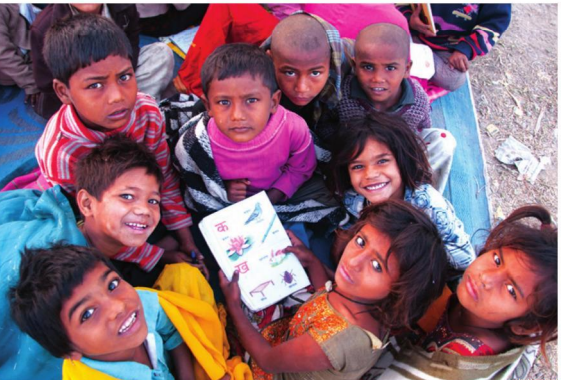
The relationship between poverty and education represents one of the most significant challenges facing our educational system today. Understanding how does poverty affect education is essential for educators, policymakers, parents, and communities working to ensure all students have opportunities to succeed. In the United States, approximately 11 million children—about 1 in 7—live in poverty, and the effects of economic hardship create profound barriers to academic achievement.
Poverty's impact on education extends far beyond simply lacking school supplies or technology. It affects brain development, physical health, emotional wellbeing, family stability, and access to educational resources. Students from low-income backgrounds consistently score lower on standardized tests, have higher dropout rates, and are less likely to attend college than their more affluent peers. This comprehensive guide examines the multifaceted ways poverty impacts education and explores evidence-based strategies for supporting students facing economic hardship.
Understanding Poverty: Definitions and Statistics
Before examining poverty's effects on education, it's important to understand what poverty means and how it's measured. The federal poverty level (FPL) is the primary measure used in the United States, though many experts argue it underestimates the true cost of meeting basic needs.
Federal Poverty Guidelines 2026
| Household Size | Poverty Threshold | 130% FPL (Free Lunch) | 185% FPL (Reduced Lunch) |
|---|---|---|---|
| 1 | $15,060 | $19,578 | $27,861 |
| 2 | $20,440 | $26,572 | $37,814 |
| 3 | $25,820 | $33,566 | $47,767 |
| 4 | $31,200 | $40,560 | $57,720 |
| 5 | $36,580 | $47,554 | $67,673 |
Child Poverty Statistics
According to the U.S. Census Bureau, approximately 16% of children under 18 live in poverty. However, this rate varies significantly by demographics: children of color experience poverty at higher rates, with about 26% of Black children and 21% of Hispanic children living below the poverty line compared to 10% of white children. Geographic disparities also exist, with rural and urban areas often having higher poverty rates than suburban communities.
In schools, poverty is often measured by free and reduced-price lunch eligibility. Nationally, over 50% of public school students qualify for free or reduced-price meals, indicating that a majority of students come from economically disadvantaged backgrounds. Understanding why education is important becomes especially critical when considering that education is often the primary pathway out of poverty.
Cognitive and Brain Development Effects
Poverty affects the developing brain in profound ways, creating neurological differences that impact learning before children ever enter school. Understanding these effects is crucial for developing effective interventions.
Toxic Stress and Brain Architecture
Children living in poverty often experience chronic stress from food insecurity, housing instability, neighborhood violence, and family strain. This persistent stress—termed "toxic stress" by researchers—activates the body's stress response system in ways that can alter brain architecture. The hippocampus (critical for memory and learning) and prefrontal cortex (essential for executive function) are particularly vulnerable to stress hormones during development.
Neuroimaging studies show that children from low-income backgrounds often have reduced gray matter volume in brain regions associated with learning. These differences are not permanent—the brain maintains plasticity—but they can create learning challenges that require targeted support to overcome.
Language Development
The famous "30 million word gap" research found that by age three, children from low-income families had heard approximately 30 million fewer words than children from higher-income families. While this specific number has been debated, the language exposure gap is well-documented and has lasting effects. Children with less language exposure enter school with smaller vocabularies, less complex sentence structures, and fewer background knowledge frameworks—all of which impact reading comprehension and academic success.
Executive Function
Executive functions—including working memory, cognitive flexibility, and inhibitory control—are essential for academic success. These skills help students pay attention, follow directions, plan ahead, and regulate emotions. Research consistently shows that children from low-income backgrounds demonstrate lower executive function skills on average, likely due to the effects of chronic stress and fewer opportunities for skill-building activities. This relates to holistic education approaches that address cognitive, social, and emotional development together.
Physical Health Impacts
Physical health and educational achievement are closely linked, and poverty creates numerous health barriers that affect learning.
Nutrition and Food Insecurity
Children in poverty are more likely to experience food insecurity—uncertain access to adequate, nutritious food. Hungry children struggle to concentrate, have less energy for learning, and may experience headaches and stomach pain that distract from schoolwork. Even when food is available, low-income families often rely on less nutritious, calorie-dense foods that can lead to obesity and related health problems.
School meal programs (free and reduced-price breakfast and lunch) help address food insecurity during school hours. Research shows that students who eat school breakfast perform better academically and have fewer disciplinary problems. Summer meal programs are also important, as food insecurity often worsens when school is not in session.
Healthcare Access
Children in poverty often lack consistent healthcare access, leading to untreated conditions that impair learning. Vision and hearing problems go undiagnosed, making it difficult to see the board or hear instruction. Dental pain distracts from learning. Chronic conditions like asthma—more prevalent in low-income communities—cause absences and difficulty concentrating. Mental health needs often go unaddressed due to lack of insurance or provider availability.
Sleep Quality
Children in poverty often experience poor sleep due to overcrowded housing, noise, inconsistent schedules, and stress. Sleep deprivation impairs memory consolidation, attention, and emotional regulation—all essential for learning. Students who don't get adequate sleep struggle academically regardless of their cognitive abilities.
Health Impacts on Education
| Health Factor | Prevalence in Poverty | Educational Impact |
|---|---|---|
| Food insecurity | 3x higher than non-poor | Reduced concentration, lower test scores |
| Uninsured children | 2x higher rate | Untreated conditions affecting learning |
| Asthma | Higher rates in low-income areas | Increased absences, fatigue |
| Vision/hearing problems | Often undiagnosed | Difficulty accessing instruction |
| Lead exposure | Higher in older housing | Cognitive impairment, behavioral issues |
| Mental health disorders | 2x higher rates | Academic and behavioral challenges |
Home Environment and Family Factors
The home environment profoundly influences educational outcomes, and poverty affects many aspects of family life that support learning.
Housing Instability
Families in poverty frequently move due to evictions, seeking cheaper housing, or doubling up with relatives. Students who change schools frequently lose learning time during transitions, must adjust to new curricula and teaching styles, and struggle to form stable relationships with teachers and peers. Research shows that high mobility correlates with lower academic achievement and higher dropout rates.
Parental Involvement
While parents in poverty care deeply about their children's education, economic pressures often limit involvement. Working multiple jobs or irregular hours makes it difficult to attend school events, help with homework, or meet with teachers. Transportation challenges compound these difficulties. Parents may also feel unwelcome in schools due to their own negative educational experiences or language barriers.
Learning Resources at Home
Homes in poverty often lack resources that support learning: books, educational toys, computers, internet access, and quiet study spaces. The digital divide has become increasingly important as schools rely more heavily on technology. Students without home internet access struggle to complete online homework, research assignments, or access digital learning resources. This is particularly relevant for understanding early childhood education and the importance of early learning environments.
Parental Education Level
Parents in poverty are more likely to have lower educational attainment themselves, which can affect their ability to help with homework and their knowledge of educational systems. However, research shows that parental expectations and educational values matter more than parents' own education levels. Schools can help by providing guidance to parents on supporting learning at home.
School-Level Factors
Students in poverty often attend schools with fewer resources and greater challenges, compounding individual disadvantages with institutional ones.
School Funding Inequities
Despite efforts to equalize school funding, significant disparities persist. Schools in low-income areas often have less experienced teachers, larger class sizes, outdated materials, and inadequate facilities. Property tax-based funding systems mean that wealthier communities can raise more money for their schools. While federal and state funding attempts to compensate, it often falls short of eliminating gaps.
Understanding what the Department of Education does helps clarify how federal policy attempts to address these inequities through programs like Title I funding for high-poverty schools.
Teacher Quality and Retention
High-poverty schools struggle to attract and retain experienced teachers. Teacher turnover is higher, meaning students frequently have less experienced educators and lose relationship continuity. High-poverty schools also tend to have more teachers working outside their certification areas. These staffing challenges create less stable learning environments.
Concentration of Poverty
When poverty is concentrated in particular schools—as it often is due to residential segregation—the challenges multiply. Schools where most students are low-income face compounding difficulties: more students need support services, more students enter behind grade level, and peer effects can lower expectations and achievement. Research on the historic case regarding school segregation, particularly Brown v. Board of Education, shows how segregation by race and class affects educational opportunity.
School Climate and Safety
High-poverty schools sometimes face greater discipline challenges and safety concerns. When students bring stress and trauma from home, behavioral issues can increase. Schools may respond with punitive discipline policies that remove students from learning rather than addressing underlying needs. Creating positive school climates requires additional resources and training that under-funded schools may lack.
The Achievement Gap
The cumulative effects of poverty create persistent achievement gaps between low-income students and their more affluent peers.
Achievement Gap Statistics
| Measure | Low-Income Students | Higher-Income Students | Gap |
|---|---|---|---|
| Kindergarten readiness | 48% ready | 75% ready | 27 points |
| 4th grade reading proficiency | 21% proficient | 52% proficient | 31 points |
| 8th grade math proficiency | 18% proficient | 48% proficient | 30 points |
| High school graduation rate | 78% | 93% | 15 points |
| College enrollment | 45% | 78% | 33 points |
| Bachelor's degree completion | 14% | 60% | 46 points |
The Gap Begins Early
Achievement gaps are evident before children even start kindergarten. Children from low-income families score lower on measures of school readiness, including vocabulary, letter recognition, counting, and social-emotional skills. These early gaps often persist or widen throughout schooling. Understanding early childhood education core units reveals how quality early learning programs can help close these gaps.
Summer Learning Loss
Achievement gaps widen during summer months when school is not in session. Higher-income families provide enrichment activities—camps, travel, lessons—that maintain learning. Low-income students often lose ground, particularly in reading. Cumulative summer learning loss accounts for a significant portion of the achievement gap by high school. Summer school and enrichment programs are critical interventions.
Social and Emotional Impacts
Poverty affects students' social and emotional development in ways that impact educational success.
Adverse Childhood Experiences (ACEs)
Children in poverty are more likely to experience adverse childhood experiences including abuse, neglect, household dysfunction, and exposure to violence. ACEs have cumulative effects—more experiences correlate with greater impacts on health, behavior, and learning. Trauma-informed approaches in schools recognize that students' behaviors may reflect survival responses to difficult experiences.
Mental Health
Children in poverty experience higher rates of anxiety, depression, and behavioral disorders. The stress of economic hardship, combined with reduced access to mental health services, creates challenges that affect learning and school behavior. School counselors and social workers are essential resources, but high-poverty schools often have insufficient staffing for these positions. This connects to understanding what education therapists need and the importance of mental health support in schools.
Self-Efficacy and Aspirations
Students from low-income backgrounds may develop lower academic self-efficacy—belief in their ability to succeed academically. Without role models who attended college or examples of economic mobility, students may not see education as a realistic pathway to opportunity. Mentoring programs and exposure to career possibilities can help broaden aspirations.
Long-Term Educational Consequences
Poverty's effects on education extend beyond K-12 schooling into higher education and career outcomes.
High School Completion
Students from low-income families are significantly more likely to drop out of high school. Economic pressures may push students into the workforce before graduation. Academic struggles accumulated over years can make graduation seem unattainable. High mobility and family instability disrupt schooling. Without a high school diploma, economic opportunities become severely limited.
College Access and Completion
Even when low-income students succeed academically, barriers to higher education persist. The college application process favors students with guidance and resources. Financial concerns—even with financial aid—deter enrollment or push students toward work over school. First-generation college students lack family knowledge of higher education systems. Once enrolled, low-income students face challenges balancing work and school, affording textbooks and supplies, and navigating unfamiliar campus cultures.
Understanding what graduate level education entails becomes important for those seeking careers that require advanced degrees.
Career Implications
Educational attainment strongly predicts earnings and economic mobility. Adults without high school diplomas earn significantly less than graduates and face higher unemployment rates. College graduates earn substantially more than those with only high school education. Without educational advancement, the cycle of poverty often continues across generations.
Effective Interventions and Strategies
Research has identified numerous interventions that can help mitigate poverty's effects on education. Effective approaches address multiple factors and provide sustained support.
High-Quality Early Childhood Education
Early childhood programs like Head Start and high-quality pre-K provide critical early interventions. These programs offer structured learning environments, nutrition, health services, and family support. Research shows that quality early childhood education can significantly reduce achievement gaps at school entry and produce long-term benefits in educational attainment and earnings.
Full-Service Community Schools
Community schools address students' non-academic needs alongside academics. They may offer health services, mental health counseling, after-school programs, adult education, and family support services. By becoming hubs for community resources, schools can address barriers to learning that originate outside the classroom.
High-Dosage Tutoring
Intensive tutoring—several sessions per week with trained tutors—has proven highly effective at accelerating learning for struggling students. During the school day, one-on-one or small group tutoring can help students catch up to grade level. While resource-intensive, this intervention shows strong results for students behind academically.
Extended Learning Time
Before and after school programs, summer school, and extended school years provide additional learning time. Quality out-of-school programs offer enrichment that low-income students might otherwise miss—arts, sports, STEM activities, and field trips. Summer programs are particularly important for preventing learning loss during breaks.
Social-Emotional Learning
Explicit instruction in social-emotional skills helps students develop self-regulation, relationship skills, and coping strategies. These programs are especially beneficial for students dealing with stress and trauma. Schools implementing comprehensive SEL programs see improvements in behavior, school climate, and academic outcomes.
Intervention Effectiveness
| Intervention | Evidence Level | Target Area | Key Benefits |
|---|---|---|---|
| Quality Pre-K | Strong | School readiness | Closes early gaps, long-term outcomes |
| High-dosage tutoring | Strong | Academic achievement | Accelerated learning gains |
| Summer programs | Moderate | Learning loss prevention | Maintains skills during breaks |
| School meals | Strong | Nutrition, concentration | Better focus, attendance |
| SEL programs | Moderate | Behavior, climate | Improved self-regulation |
| Community schools | Promising | Whole child needs | Addresses multiple barriers |
| Mentoring | Moderate | Relationships, aspirations | Role models, support |
What Teachers Can Do
Individual teachers play crucial roles in supporting students affected by poverty.
Building Relationships
Positive relationships with caring adults are protective factors for children facing adversity. Teachers who build strong relationships with students create safe environments for learning. Simple practices—greeting students by name, showing genuine interest in their lives, maintaining consistent expectations with warmth—make significant differences.
High Expectations
Teachers must maintain high expectations for all students while providing support to meet those expectations. Lower expectations based on socioeconomic status become self-fulfilling prophecies. Students rise to expectations when given appropriate scaffolding and encouragement.
Trauma-Informed Practices
Understanding how trauma affects behavior and learning helps teachers respond appropriately. Trauma-informed practices emphasize safety, predictability, and relationship. Teachers learn to recognize trauma responses and avoid punitive reactions that escalate rather than help.
Culturally Responsive Teaching
Effective teachers validate students' backgrounds and incorporate their experiences into learning. Avoiding deficit perspectives—focusing on what students lack—in favor of recognizing strengths and assets helps students see themselves as capable learners.
Policy Approaches
Addressing poverty's effects on education requires policy solutions at multiple levels.
Equitable School Funding
Reform of school funding systems to reduce reliance on local property taxes and ensure adequate resources for high-poverty schools. Weighted student funding that provides more resources for students with greater needs. Federal programs like Title I that direct additional funding to high-poverty schools.
Universal Pre-K
Expanding access to high-quality preschool for all children, particularly those from low-income families. Research shows this is one of the most effective investments for improving educational outcomes and reducing achievement gaps.
Addressing Root Causes
Ultimately, reducing child poverty itself would have the greatest impact on educational outcomes. Policies supporting family economic security—living wages, affordable housing, healthcare access, and family support programs—address the root causes of educational disparities.
Breaking the Cycle: Success Stories
Despite the challenges, many students from low-income backgrounds succeed academically. Understanding what enables success helps inform interventions.
Protective Factors
- Supportive Relationships: At least one caring adult who believes in the student
- High Expectations: Adults who expect success and provide support to achieve it
- Family Values Education: Parental emphasis on education's importance
- Resilience: Ability to persist through challenges
- Community Support: Churches, community organizations, mentoring programs
- Quality Schools: Strong teachers and supportive school environments
Frequently Asked Questions
Does poverty determine educational outcomes?
Poverty creates significant obstacles but does not determine outcomes. Many students from low-income backgrounds succeed academically, especially with appropriate support. Understanding poverty's effects helps educators and communities provide that support, not make assumptions about individual students' potential.
Can schools alone solve poverty-related educational gaps?
Schools are essential but cannot fully compensate for poverty's effects alone. Addressing educational disparities requires coordinated efforts across education, health, housing, and economic policy. Schools can provide protective factors and quality instruction, but comprehensive approaches that address students' non-academic needs are most effective.
Is the achievement gap closing?
Progress has been mixed. Some gaps narrowed from the 1970s through 1990s, but progress has stalled or reversed in recent years. The COVID-19 pandemic widened gaps significantly. Sustained, evidence-based efforts are needed to make consistent progress on educational equity.
What role does race play in the relationship between poverty and education?
Race and poverty intersect in complex ways. Racial disparities in wealth, housing, and employment mean children of color are more likely to experience poverty. Historical and ongoing discrimination creates additional barriers. Addressing educational inequity requires attention to both economic and racial justice.
How can parents in poverty support their children's education?
Parents can support education through high expectations, valuing learning, communicating with schools, and advocating for their children. Schools should remove barriers to parent involvement and recognize the many ways parents contribute to children's education beyond traditional involvement measures.
Conclusion: A Shared Responsibility
The relationship between poverty and education represents one of our society's most significant challenges—and opportunities. Poverty affects education through multiple pathways: brain development, physical health, family stability, home environment, school resources, and social-emotional wellbeing. These effects are cumulative and begin before children ever enter school.
However, these effects are not inevitable. Evidence-based interventions—quality early childhood education, high-dosage tutoring, extended learning time, trauma-informed practices, and comprehensive support services—can help close gaps. Individual teachers who build relationships, maintain high expectations, and understand their students' circumstances make daily differences in children's lives.
Ultimately, ensuring that all children have access to quality education regardless of their family's income is a matter of equity and a societal imperative. Education remains one of the most powerful tools for economic mobility, and breaking the cycle of poverty requires ensuring that children from low-income backgrounds have genuine opportunities to succeed.
As you explore education topics, TheTutorBridge offers resources on why education is important, holistic education, special education, and many other aspects of learning and career development. Understanding how poverty affects education is the first step toward creating solutions that give every child a fair chance to succeed.