What Is Holistic Education? Complete Guide to Whole-Child Learning in 2026
In an era of increasing student burnout, anxiety, and disconnection, holistic education has emerged as a transformative approach that goes beyond traditional academic metrics. But what exactly is holistic education, and why is it becoming essential in 2026? This comprehensive guide explores the principles, benefits, and practical applications of educating the whole child—mind, body, and spirit.
What Is Holistic Education? A Complete Definition
Holistic education is an approach to learning that focuses on developing the complete person rather than just their academic abilities. It nurtures intellectual, emotional, social, physical, artistic, and spiritual growth in equal measure. Understanding why education is important becomes clearer when we see it through this comprehensive lens.
At its core, holistic education rejects the narrow focus on test scores and academic achievement as the sole markers of success. Instead, it aims to cultivate well-rounded individuals who can:
- Think critically and solve complex problems
- Understand and manage their emotions effectively
- Build meaningful relationships with others
- Maintain physical health and well-being
- Contribute positively to their communities
- Find purpose and meaning in their lives
Quick Overview: Holistic Education at a Glance
| Aspect | Traditional Education | Holistic Education |
|---|---|---|
| Focus | Academic achievement | Whole-child development |
| Success Metric | Grades and test scores | Personal growth and well-being |
| Learning Style | One-size-fits-all | Personalized and adaptive |
| Student Role | Passive recipient | Active participant |
| Curriculum | Subject-compartmentalized | Integrated and interconnected |
| Teacher Role | Information deliverer | Facilitator and mentor |
| Environment | Competitive | Collaborative and supportive |
The Five Dimensions of Holistic Education
Holistic education addresses five interconnected dimensions of human development. Each dimension is equally important and contributes to creating well-rounded individuals.
1. Intellectual Development
While holistic education goes beyond academics, intellectual growth remains fundamental. Learning how to study effectively is still essential, but holistic approaches emphasize:
- Critical Thinking: Analyzing information, questioning assumptions, and forming independent conclusions
- Creativity: Encouraging innovative thinking and original problem-solving
- Curiosity: Fostering a genuine love of learning that extends beyond the classroom
- Interdisciplinary Connections: Understanding how different subjects relate to each other and to real life
2. Emotional Development
Emotional intelligence is increasingly recognized as crucial for success in life. This is similar to what professionals like those studying to become a therapist learn about human emotional development. Key components include:
- Self-Awareness: Recognizing and understanding one's own emotions
- Self-Regulation: Managing emotions effectively, especially under stress
- Empathy: Understanding and sharing the feelings of others
- Resilience: Bouncing back from setbacks and learning from failures
3. Social Development
Humans are social beings, and holistic education prepares students for meaningful interpersonal connections:
- Communication Skills: Expressing ideas clearly and listening actively
- Collaboration: Working effectively with diverse groups of people
- Conflict Resolution: Handling disagreements constructively
- Cultural Competence: Respecting and appreciating diversity
4. Physical Development
A healthy body supports a healthy mind. Use our BMI calculator to track physical health as part of overall well-being. Physical development in holistic education includes:
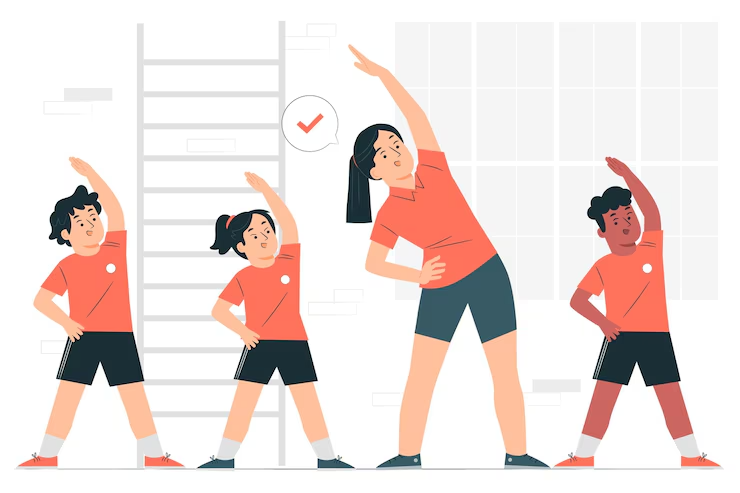
- Movement and Exercise: Regular physical activity integrated into the school day
- Nutrition Education: Understanding how food affects body and mind
- Mind-Body Connection: Practices like yoga and mindfulness
- Health Literacy: Making informed decisions about personal health
5. Spiritual/Ethical Development
This dimension focuses on meaning, purpose, and values—not necessarily religious, but deeply human:
- Values Exploration: Developing a personal moral compass
- Purpose and Meaning: Finding what matters most in life
- Environmental Stewardship: Responsibility toward the natural world
- Social Responsibility: Contributing to the greater good
Core Principles of Holistic Education
Understanding the philosophy of education helps us appreciate the foundational principles that guide holistic approaches:
1. Interconnectedness
Holistic education recognizes that everything is connected. This principle manifests in three types of connections:
- Intrapersonal Connections: Understanding oneself—thoughts, feelings, and motivations
- Interpersonal Connections: Relationships with others in the community
- Transpersonal Connections: Connection to nature, humanity, and larger meaning
2. Honoring Individual Uniqueness
Every student is unique, with their own strengths, interests, and learning styles. Just as students must decide which stream is best after 10th based on their individual aptitudes, holistic education tailors learning to each student's needs.
3. Experiential Learning
Learning by doing is central to holistic education. This connects to approaches like dynamic study modules that adapt to student engagement. Experiential learning includes:
- Hands-on projects and experiments
- Field trips and outdoor education
- Service learning and community engagement
- Internships and real-world applications
4. Democratic Learning Environment
Students have a voice in their education. They participate in decision-making and take ownership of their learning journey.
5. Community and Relationship-Based
Having a mentor who can help you on your journey is a key component. Holistic education emphasizes strong relationships between students, teachers, families, and the broader community.
Benefits of Holistic Education
Research consistently shows that holistic approaches produce better outcomes across multiple dimensions:
Academic Benefits
- Deeper Understanding: Students grasp concepts more thoroughly when learning is connected to real life
- Improved Retention: Engaging multiple learning modalities helps information stick
- Love of Learning: Intrinsic motivation replaces external pressure
- Better Problem-Solving: Critical thinking skills transfer across subjects
Emotional and Social Benefits
- Higher Self-Esteem: Students feel valued for who they are, not just their grades
- Reduced Anxiety: Less pressure creates a more supportive environment
- Stronger Relationships: Focus on community builds lasting bonds
- Better Conflict Management: Students learn to resolve disagreements peacefully
Life Skills Benefits
- Resilience: Ability to handle setbacks and adapt to change
- Self-Direction: Taking initiative and managing one's own learning
- Creativity: Thinking outside the box and generating new ideas
- Leadership: Inspiring and guiding others effectively
As our collection of boss lady quotes reminds us, true success comes from developing the whole person, not just academic achievements.
Holistic Education Methods and Approaches
Several educational philosophies embody holistic principles:
Montessori Education
Founded by Maria Montessori, this approach emphasizes:
- Self-directed learning with teacher guidance
- Mixed-age classrooms for peer learning
- Hands-on materials and prepared environments
- Long, uninterrupted work periods
Waldorf Education
Developed by Rudolf Steiner, Waldorf schools focus on:
- Arts integration across all subjects
- Imagination and creativity development
- Connection to nature and seasons
- Delayed academics in early years
Reggio Emilia Approach
Originating in Italy, this approach emphasizes:
- Child-led, project-based learning
- Documentation of learning processes
- The environment as the "third teacher"
- Strong parent and community involvement
International Baccalaureate (IB)
The IB program incorporates holistic elements:
- Learner Profile with 10 attributes beyond academics
- Creativity, Activity, Service (CAS) requirements
- Theory of Knowledge course
- Global mindedness and intercultural understanding
Implementing Holistic Education at Different Levels
Early Childhood (Ages 0-6)
The foundation years are crucial for holistic development:
- Play-based learning as the primary mode
- Sensory exploration and motor skill development
- Social-emotional learning through interaction
- Nature connection and outdoor time
Elementary School (Ages 6-12)
Building on early foundations while introducing academics:
- Integrated thematic units connecting subjects
- Arts education alongside core academics
- Character education and values exploration
- Community service projects
Secondary Education (Ages 12-18)
Understanding what secondary education means takes on new dimensions in holistic frameworks:
- Student voice and agency in learning
- Real-world internships and experiences
- Identity exploration and personal development
- Preparation for life beyond school
Higher Education
Whether at a community college or pursuing graduate-level education, holistic principles can be applied:
- Interdisciplinary programs and courses
- Student wellness and mental health support
- Service learning and community engagement
- Career development beyond job placement
The Role of Teachers in Holistic Education
Understanding what special education teachers do gives insight into the holistic teacher's role—attending to each student's unique needs. Teachers in holistic settings serve as:
- Facilitators: Guiding rather than dictating learning
- Mentors: Building meaningful relationships with students
- Observers: Carefully watching to understand each child's needs
- Lifelong Learners: Modeling curiosity and growth mindset
- Community Builders: Creating inclusive, supportive classrooms
Those wondering if they need an education degree to teach should know that holistic education often values diverse backgrounds and life experiences in educators.
Holistic Education and Technology
Technology can support holistic education when used mindfully. Tools like our AI study guide maker can personalize learning while freeing up time for human connection and experiential activities.
Healthy Technology Integration
- Using technology as a tool, not a replacement for human interaction
- Balancing screen time with hands-on activities
- Teaching digital citizenship and online safety
- Leveraging technology for personalized learning paths
Challenges and Criticisms of Holistic Education
While holistic education offers many benefits, it's important to acknowledge challenges:
Common Challenges
- Assessment Difficulties: Measuring growth beyond academics requires new approaches
- Resource Intensive: Smaller class sizes and specialized training require investment
- Standardization Conflicts: May not align with standardized testing requirements
- Parent Expectations: Some parents may prefer traditional academic focus
- Teacher Training: Requires different skills than conventional teaching
Addressing the Challenges
Solutions include portfolio-based assessment, gradual implementation, parent education, and professional development for teachers. Learning how to focus on studying remains important even in holistic settings—it's about balance, not abandoning rigor.
How to Bring Holistic Principles into Any Educational Setting
You don't need a special school to incorporate holistic principles. Here are practical strategies:
For Parents
- Value effort and growth over grades
- Encourage diverse activities beyond academics
- Model emotional intelligence and self-care
- Create time for family connection and conversation
- Support exploration of interests and passions
For Teachers
- Build relationships first, then teach content
- Incorporate movement and hands-on activities
- Create space for student voice and choice
- Connect lessons to real-world applications
- Teach social-emotional skills explicitly
For Students
Students can take charge of their own holistic development. Our study smarter not harder guide offers strategies that align with holistic principles:
- Pursue interests beyond required coursework
- Practice mindfulness and stress management
- Engage in physical activity regularly
- Volunteer and contribute to community
- Reflect on personal values and goals
Study Resources for Holistic Learning
Explore our study resources for materials that support holistic development. Our calculators can help track various aspects of progress, from academic performance with our GPA calculator to time management with our hours calculator.
As our positive quotes for students remind us, education is about becoming the best version of yourself. Our graduation quotes celebrate the journey of growth that holistic education supports.
Frequently Asked Questions
What is the main goal of holistic education?
The main goal is to develop the whole person—intellectually, emotionally, socially, physically, and spiritually—rather than focusing solely on academic achievement. Holistic education aims to create well-rounded individuals who can thrive in all aspects of life.
How is holistic education different from traditional education?
Traditional education typically focuses on academic content, standardized testing, and measurable outcomes. Holistic education takes a broader view, incorporating emotional intelligence, creativity, physical well-being, social skills, and personal values alongside academics. The learning environment is also more collaborative and student-centered.
Is holistic education only for private schools?
No, holistic principles can be applied in any educational setting—public schools, private schools, homeschools, and even informal learning environments. Many public schools are incorporating social-emotional learning, arts integration, and project-based learning that reflect holistic values.
Does holistic education prepare students for college?
Yes, students from holistic educational backgrounds often excel in college because they've developed strong critical thinking, self-direction, and adaptability. They may also have better stress management skills and a genuine love of learning that helps them thrive in higher education.
How do you assess students in holistic education?
Holistic education uses multiple assessment methods including portfolios, presentations, self-reflection, peer evaluation, project-based assessments, and observations. The focus is on documenting growth and development rather than just measuring academic knowledge through tests.
Is holistic education suitable for all children?
Most children can benefit from holistic education, though some may thrive more than others in different aspects. The personalized nature of holistic education actually makes it well-suited for diverse learners, including those with special needs, as it honors each child's unique strengths and learning styles.
Conclusion: Embracing Holistic Education in 2026 and Beyond
Holistic education isn't just an educational philosophy—it's a response to the complex challenges facing students today. In an age of AI, global challenges, and rapid change, developing well-rounded individuals with strong emotional intelligence, critical thinking skills, and a sense of purpose has never been more important.
Whether you're a parent choosing a school, an educator rethinking your approach, or a student seeking a more meaningful educational experience, holistic education offers a path toward developing the complete person—not just filling minds with information, but nurturing hearts, bodies, and spirits as well.
Ready to explore more educational approaches? Browse our blog for more insights, and book a demo class to experience personalized learning that honors the whole student.