What Is STEM Education? Complete 2026 Guide to Science, Technology, Engineering & Math
Introduction: Understanding STEM Education in the Modern World
Walk into any forward-thinking classroom today, and you will likely see students building robots, coding apps, conducting experiments, and solving real-world problems. This hands-on, interdisciplinary approach to learning has a name: STEM education. But what exactly does STEM mean, and why has it become one of the most important educational movements of the 21st century?
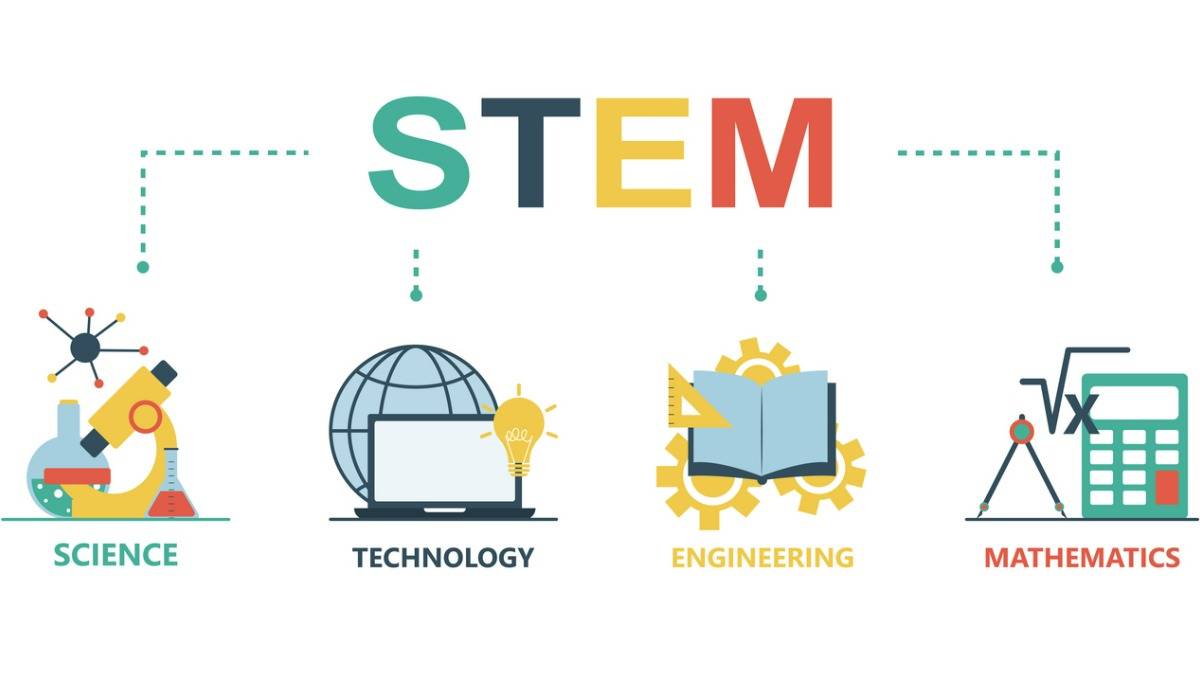
STEM stands for Science, Technology, Engineering, and Mathematics—four interconnected disciplines that form the backbone of innovation and technological progress. According to the U.S. Bureau of Labor Statistics, STEM occupations are projected to grow by 10.8% between 2021 and 2031, compared to just 4.9% for all other occupations. This growth translates to approximately 1 million new STEM jobs in the United States alone, with similar trends occurring globally.
Whether you are a student exploring career options, a parent guiding your child's educational journey, or an educator seeking to enhance your teaching methods, understanding STEM education is essential. In this comprehensive guide, we will explore what STEM education truly means, its core components, benefits, implementation strategies, and how it prepares students for success in an increasingly technology-driven world. For personalized guidance on academic planning and career exploration, consider exploring our career guidance services designed to help students find their path.
What Is STEM Education? A Complete Definition
STEM education is an integrated approach to learning that combines the disciplines of Science, Technology, Engineering, and Mathematics into a cohesive curriculum. Rather than teaching these subjects in isolation, STEM education emphasizes the connections between them and applies this knowledge to solve real-world problems.
Breaking Down the STEM Acronym
Science encompasses the study of the natural world through observation, experimentation, and evidence-based reasoning. This includes disciplines like biology, chemistry, physics, earth science, and environmental science. In STEM education, science serves as the foundation for understanding how the world works and provides the knowledge base for technological and engineering applications.
Technology refers to the tools, systems, and methods used to solve problems and achieve goals. In the educational context, technology includes not just computers and software but also any human-made tool or system—from simple machines to complex digital platforms. Students learn to use, understand, and create technology to address challenges in their communities and beyond.
Engineering is the application of scientific and mathematical principles to design, build, and improve structures, machines, systems, and processes. Engineering education teaches students the design process: identifying problems, brainstorming solutions, building prototypes, testing, and iterating. This systematic approach to problem-solving is one of the most valuable skills STEM education imparts.
Mathematics provides the universal language and analytical tools necessary for all STEM disciplines. From basic arithmetic to advanced calculus and statistics, mathematical skills enable students to quantify observations, model systems, analyze data, and validate solutions. A strong foundation in math is essential for success in any STEM field. If you need to track your academic progress in mathematics and other subjects, our College GPA calculator can help you stay on top of your grades.
The Integrated Nature of STEM
What distinguishes STEM education from traditional science and math instruction is its integrated, interdisciplinary approach. In a STEM classroom, students might design a bridge (engineering), calculate the loads it can bear (mathematics), understand the properties of building materials (science), and use computer software to model their design (technology). This integration reflects how these disciplines work together in the real world.
According to research published in the Journal of STEM Education, students who engage in integrated STEM learning demonstrate 23% higher problem-solving abilities compared to those in traditional, siloed instruction. This improvement stems from the contextual learning environment that shows students why what they are learning matters.
The History and Evolution of STEM Education
Understanding where STEM education came from helps us appreciate its current form and future direction. The movement has evolved significantly over the past several decades, driven by economic needs, educational research, and changing workforce demands.
Origins of the STEM Concept
The term "STEM" was coined in 2001 by Dr. Judith Ramaley, then assistant director of the National Science Foundation (NSF). Before this, the acronym "SMET" (Science, Mathematics, Engineering, and Technology) was used but was considered less appealing. The reordering to STEM created a more memorable and marketable term that would come to define an entire educational movement.
However, the roots of STEM education stretch back much further. The launch of Sputnik by the Soviet Union in 1957 sparked concerns about American scientific competitiveness and led to the National Defense Education Act of 1958. This legislation dramatically increased federal funding for science and mathematics education, marking the beginning of systematic attention to these fields in American education policy.
Key Milestones in STEM Education
- 1957-1958: Sputnik launch and National Defense Education Act spark increased focus on science education
- 1983: "A Nation at Risk" report warns of educational mediocrity and calls for higher standards
- 2001: NSF officially adopts the STEM acronym
- 2009: President Obama launches the "Educate to Innovate" campaign to improve STEM education
- 2015: Every Student Succeeds Act (ESSA) includes specific provisions for STEM education funding
- 2020-Present: COVID-19 pandemic accelerates digital transformation and highlights STEM's importance
The Rise of STEAM
In recent years, many educators have expanded STEM to STEAM, adding "Arts" to the acronym. This addition recognizes the importance of creativity, design thinking, and artistic expression in innovation. STEAM advocates argue that many of history's greatest innovators—from Leonardo da Vinci to Steve Jobs—combined scientific and artistic sensibilities. The debate between STEM and STEAM continues, but both approaches share the fundamental goal of preparing students for a complex, rapidly changing world.
Why STEM Education Matters: Benefits and Importance
The emphasis on STEM education is not merely an educational trend—it reflects fundamental changes in the global economy and society. Understanding why STEM matters helps students, parents, and educators make informed decisions about educational priorities.
Economic and Career Benefits
The economic case for STEM education is compelling. According to the Pew Research Center, STEM workers earn an average of $36,000 more per year than non-STEM workers with comparable education levels. The U.S. Bureau of Labor Statistics projects that STEM occupations will grow significantly faster than the overall job market through 2031, with median annual wages of $95,420 for STEM jobs compared to $45,760 for non-STEM occupations.
- High Demand: Over 3.5 million STEM jobs will need to be filled by 2026 in the United States alone
- Higher Salaries: STEM careers typically offer 26% higher wages than non-STEM careers
- Job Security: STEM unemployment rates consistently remain below national averages
- Global Opportunities: STEM skills are valued worldwide, opening international career possibilities
- Entrepreneurship: 74% of fast-growing companies are in STEM-related fields
For students considering their future career paths, STEM fields offer exceptional opportunities. Whether you are interested in becoming an engineer, a software developer, a medical professional, or a data scientist, strong STEM foundations will serve you well.
Cognitive and Skill Development Benefits
Beyond career preparation, STEM education develops critical thinking skills and intellectual capabilities that benefit students in all areas of life. Research from the Education Development Center shows that students engaged in STEM learning demonstrate improvements in:
- Critical Thinking: Analyzing information, evaluating evidence, and making reasoned judgments
- Problem-Solving: Identifying challenges, developing solutions, and iterating based on feedback
- Creativity: Generating novel ideas and approaches to complex challenges
- Collaboration: Working effectively in teams to achieve shared goals
- Communication: Expressing technical concepts clearly to diverse audiences
- Persistence: Maintaining effort through challenges and learning from failure
Societal and Global Impact
The challenges facing humanity in the 21st century—climate change, disease prevention, food security, sustainable energy, and more—require STEM solutions. By educating a generation of STEM-literate citizens, we prepare society to address these challenges effectively. Even those who do not pursue STEM careers benefit from understanding scientific concepts and technological systems in an increasingly complex world.
A 2023 report from the World Economic Forum identified the top skills needed for the future workforce, with data analysis, AI and machine learning, and programming ranking among the most important. STEM education provides the foundation for developing these critical competencies.
Core Components of Effective STEM Education
Not all STEM programs are created equal. Effective STEM education incorporates specific pedagogical approaches and components that maximize learning outcomes. Understanding these components helps students choose programs and educators design effective curricula.
Hands-On, Experiential Learning
At the heart of STEM education is the principle of learning by doing. Rather than passively absorbing information from textbooks and lectures, students engage directly with materials, tools, and problems. This might involve building physical models, conducting laboratory experiments, writing computer code, or designing prototypes. Research from the National Academy of Engineering shows that hands-on learning increases retention by up to 75% compared to traditional lecture-based instruction.
Examples of hands-on STEM activities include:
- Building and programming robots
- Designing and testing bridges or structures
- Conducting scientific experiments and analyzing results
- Creating mobile apps or websites
- Growing plants in controlled environments
- Building electronic circuits
- Using 3D printers to prototype designs
Project-Based Learning (PBL)
Project-based learning is a cornerstone of STEM education. In PBL, students work on extended projects that require them to investigate and respond to authentic, engaging, and complex questions or problems. These projects typically span multiple class periods and culminate in a final product or presentation.
Effective STEM projects share several characteristics: they address real-world problems, require knowledge from multiple disciplines, allow student choice and voice, involve iterative design processes, and result in tangible outcomes. For example, a project might challenge students to design a water filtration system for a community without clean water, requiring them to apply chemistry, engineering, mathematics, and technology skills.
Inquiry-Based Instruction
STEM education emphasizes student inquiry—asking questions, designing investigations, collecting and analyzing data, and drawing evidence-based conclusions. This approach mirrors the scientific method and engineering design process, preparing students for authentic work in STEM fields.
Teachers in inquiry-based STEM classrooms act as facilitators rather than lecturers, guiding students through the discovery process while allowing them to take ownership of their learning. When students encounter difficulties in their studies, having access to doubt solving support can help them work through challenging concepts without losing momentum.
Technology Integration
Technology serves both as a subject of study and a tool for learning in STEM education. Students learn to use various technologies—from simple measurement tools to sophisticated software—while also understanding how these technologies work. Digital literacy, coding skills, and the ability to leverage technology for problem-solving are essential outcomes of STEM education.
Common technologies used in STEM education include:
- Programming languages (Python, JavaScript, Scratch)
- Design software (CAD programs, 3D modeling)
- Simulation and modeling tools
- Data analysis software (spreadsheets, statistical programs)
- Robotics platforms (LEGO Mindstorms, Arduino, VEX)
- Virtual and augmented reality
- Collaborative online platforms
Real-World Connections
Effective STEM education consistently connects classroom learning to real-world applications. This might involve case studies of how scientists and engineers solve actual problems, partnerships with local businesses and organizations, field trips to STEM workplaces, or visits from STEM professionals. These connections help students understand why what they are learning matters and how it applies outside the classroom.
STEM Education Across Different Grade Levels
STEM education looks different at various stages of a student's academic journey. Understanding what STEM education involves at each level helps parents and educators support students appropriately.
Elementary School STEM (Ages 5-10)
At the elementary level, STEM education focuses on building curiosity, foundational skills, and positive attitudes toward STEM subjects. Young children are natural scientists—curious, observant, and eager to explore. Effective elementary STEM programs harness this natural curiosity through:
- Simple experiments and observations
- Building activities with blocks, LEGOs, and basic engineering kits
- Nature walks and environmental observations
- Basic coding concepts through visual programming (Scratch Jr., Code.org)
- Math games and manipulatives
- Simple machines and physics explorations
The emphasis at this level is on exploration, wonder, and building confidence. Children learn that it is okay to make mistakes, that trial and error is part of the process, and that they are capable of understanding how the world works. Our Class 6 study resources provide excellent foundations for young learners beginning their STEM journey.
Middle School STEM (Ages 11-14)
Middle school is a critical time for STEM education. Research shows that interest in STEM begins declining around ages 12-14, particularly among girls and underrepresented minorities. Effective middle school STEM programs work to maintain engagement while building more sophisticated skills:
- More complex experiments and data analysis
- Introduction to programming languages (Python, JavaScript)
- Engineering design challenges with specific constraints
- Robotics competitions and clubs
- Scientific research projects and science fairs
- Exploration of STEM careers and pathways
Middle school students benefit from seeing connections between STEM and their interests. Whether a student loves video games, sports, fashion, or music, there are STEM connections to be made. Keeping students engaged during these years can significantly impact their future educational and career choices. For middle school students tracking their academic progress, our middle school GPA calculator is a useful tool.
High School STEM (Ages 14-18)
High school STEM education becomes more specialized and rigorous, preparing students for college and careers. Students can pursue advanced courses, specialized programs, and extracurricular opportunities:
- Advanced Placement (AP) courses in science and mathematics
- Specialized STEM academies or magnet programs
- Dual enrollment in college STEM courses
- Research internships and mentorships
- Competitive teams (robotics, Science Olympiad, math competitions)
- Independent research projects
High school is when students begin making decisions that shape their future careers. Taking challenging STEM courses, participating in competitions, and gaining real-world experience through internships can significantly impact college admissions and career opportunities. Students should also focus on maintaining strong academic performance—use our high school GPA calculator to track your progress toward college readiness.
Higher Education and Beyond
At the college and university level, STEM education becomes highly specialized. Students choose specific majors—such as computer science, mechanical engineering, biology, or data science—and engage in deep study of their chosen field. Graduate education offers opportunities for advanced research and specialized expertise.
For those considering STEM careers, understanding the educational requirements is essential. Different STEM careers have varying educational pathways. Some, like software development, may be accessible with a bachelor's degree or even through bootcamps and self-study. Others, like becoming a doctor or research scientist, require extensive graduate education.
STEM Careers: Opportunities and Job Outlook
One of the most compelling reasons for pursuing STEM education is the outstanding career opportunities it opens. The demand for STEM professionals continues to grow across virtually every industry sector.
Fastest-Growing STEM Occupations
According to the Bureau of Labor Statistics, the following STEM occupations are experiencing the fastest growth:
- Data Scientists and Mathematical Science Occupations: 36% growth projected through 2031
- Information Security Analysts: 35% growth projected
- Software Developers: 26% growth projected
- Statisticians: 33% growth projected
- Web Developers: 23% growth projected
- Medical Scientists: 17% growth projected
- Biomedical Engineers: 10% growth projected
STEM Salary Expectations
STEM careers generally offer above-average compensation. Here are median annual salaries for various STEM occupations (2023 data):
- Computer and Information Research Scientists: $136,620
- Aerospace Engineers: $122,270
- Software Developers: $120,730
- Data Scientists: $103,500
- Chemical Engineers: $106,260
- Environmental Scientists: $76,530
- Mechanical Engineers: $95,300
These figures represent national averages; actual salaries vary based on location, experience, education level, and specific industry. High-cost areas like San Francisco, New York, and Boston typically offer higher salaries to offset living expenses.
Emerging STEM Fields
Beyond traditional STEM careers, new fields are emerging that offer exciting opportunities:
- Artificial Intelligence and Machine Learning: Developing intelligent systems that can learn and adapt
- Quantum Computing: Building and programming next-generation computers
- Biotechnology and Genomics: Applying technology to biological systems
- Renewable Energy: Engineering sustainable power solutions
- Cybersecurity: Protecting digital systems and data
- Robotics and Automation: Designing and programming autonomous systems
- Space Technology: Supporting the growing commercial space industry
Students interested in these cutting-edge fields should build strong foundations in core STEM subjects while exploring specialized coursework and projects. Early career exploration is valuable—our career guidance resources can help students identify paths that align with their interests and abilities.
How to Implement STEM Education: Strategies for Success
Whether you are a parent supplementing your child's education, an educator enhancing your curriculum, or a student seeking to develop STEM skills, there are numerous ways to engage with STEM education.
For Parents: Supporting STEM Learning at Home
Parents play a crucial role in nurturing STEM interest and skills. Research shows that parental attitudes toward STEM significantly influence children's engagement with these subjects. Here are practical ways to support STEM learning at home:
- Encourage Curiosity: Welcome questions and explore answers together
- Provide STEM Toys and Kits: Building sets, science kits, coding toys, and electronics projects
- Watch STEM Content: Educational videos, documentaries, and shows about science and technology
- Visit STEM Venues: Science museums, planetariums, nature centers, and tech companies
- Discuss STEM in Daily Life: Point out how science, math, and engineering appear in everyday activities
- Support Struggles: Help children see mistakes as learning opportunities, not failures
One of the most important things parents can do is model a positive attitude toward STEM subjects. Avoid saying things like "I was never good at math" or "Science was my worst subject." Instead, express curiosity and willingness to learn alongside your child.
For Educators: Enhancing STEM Instruction
Teachers looking to strengthen their STEM instruction can incorporate several proven strategies:
- Integrate Subjects: Look for natural connections between science, math, technology, and engineering
- Use Project-Based Learning: Design extended projects that require multiple skills
- Incorporate Real-World Problems: Use authentic challenges from local community or current events
- Allow Student Choice: Give students agency in selecting projects and approaches
- Embrace Failure: Create a classroom culture where trial and error is valued
- Partner with Industry: Invite STEM professionals to speak or mentor students
- Professional Development: Continuously update skills and knowledge through workshops and courses
For Students: Developing STEM Skills
Students can take ownership of their STEM education through various activities and opportunities:
- Join STEM Clubs: Robotics, coding, science olympiad, math league, and engineering clubs
- Participate in Competitions: Science fairs, hackathons, math competitions, and robotics tournaments
- Take Online Courses: Platforms like Khan Academy, Coursera, and edX offer free STEM learning
- Build Personal Projects: Create apps, build robots, conduct experiments, or start a coding project
- Seek Mentorship: Connect with STEM professionals through programs, family contacts, or online communities
- Read Widely: Books, articles, and blogs about science, technology, and innovation
Remember that STEM skills develop over time with consistent practice and effort. Do not be discouraged by initial difficulties—persistence is key. If you encounter challenging concepts, take advantage of resources like our doubt solving services to get personalized help when you need it.
Challenges and Barriers in STEM Education
Despite its importance, STEM education faces several challenges that must be addressed to ensure all students have access to quality STEM learning.
The Diversity Gap
Women, Black, Hispanic, and Indigenous students remain significantly underrepresented in STEM fields. According to the National Science Foundation, women earn only 28% of STEM bachelor's degrees, while Black students earn just 7% and Hispanic students earn 12%. These disparities begin early and widen through the educational pipeline.
Addressing the diversity gap requires systemic changes including:
- Early exposure to STEM for underrepresented groups
- Diverse role models and mentors
- Culturally responsive curriculum and teaching
- Bias-free assessment and evaluation
- Support systems and community building
- Addressing systemic barriers in education and employment
Teacher Preparation and Support
Many teachers, particularly at the elementary level, feel underprepared to teach STEM subjects effectively. Research indicates that only 44% of elementary teachers feel confident teaching science, and even fewer feel prepared for integrated STEM instruction. Addressing this challenge requires:
- Improved pre-service teacher education
- Ongoing professional development
- Access to quality curriculum and materials
- Time for planning and collaboration
- Administrative support and resources
Resource Inequities
Significant disparities exist in STEM resources available to different schools and communities. Schools in affluent areas often have modern science labs, robotics equipment, and technology resources, while schools in under-resourced communities may lack basic supplies. Addressing these inequities requires:
- Increased and equitable funding for STEM education
- Partnerships with businesses and organizations
- Creative use of low-cost and no-cost resources
- Policy changes to ensure equitable distribution
Assessment Challenges
Traditional standardized tests often fail to measure the skills STEM education develops—creativity, collaboration, persistence, and complex problem-solving. This misalignment between assessment and instruction creates pressure to "teach to the test" rather than engage in authentic STEM learning. New assessment approaches, including performance-based assessments and portfolios, are needed to better capture student learning.
STEM vs. STEAM: Understanding the Arts Integration
The addition of "A" for Arts to create STEAM has sparked considerable debate in education circles. Understanding both perspectives helps inform educational decisions.
The Case for STEAM
STEAM advocates argue that creativity and artistic thinking are essential for innovation. They point to examples like:
- Design Thinking: The process of creating solutions often requires artistic sensibility
- Visualization: Communicating scientific concepts often requires visual representation
- Innovation History: Many innovators, from Leonardo da Vinci to Steve Jobs, combined artistic and scientific thinking
- User Experience: Technology products must be aesthetically pleasing and intuitive
- Communication: Presenting scientific findings effectively requires communication skills
Research from the Rhode Island School of Design, which pioneered STEAM education, shows that students in STEAM programs demonstrate enhanced creative problem-solving and ability to think across disciplines.
The Case for STEM
Some educators prefer keeping the focus on STEM, arguing that:
- STEM already includes design and creativity within engineering
- Adding more subjects dilutes focus and resources
- The critical shortage is specifically in traditional STEM fields
- The acronym could expand endlessly (STREAMS, including reading and social studies)
- Arts have their own dedicated programs and funding streams
Finding Common Ground
Ultimately, the debate may be less important than ensuring students receive rich, integrated education that develops multiple intelligences. Whether a program calls itself STEM or STEAM, the key is providing hands-on, project-based learning that connects to real-world applications and develops critical 21st-century skills.
Global Perspectives on STEM Education
STEM education is a global priority, with countries around the world investing heavily in developing their STEM workforces. Understanding international approaches provides valuable perspective.
Leading Countries in STEM Education
Singapore consistently ranks among the top performers in international STEM assessments. The country's success stems from a rigorous curriculum, highly trained teachers, and strong government investment in education.
Finland takes a different approach, emphasizing student well-being, teacher autonomy, and project-based learning. Despite less emphasis on standardized testing, Finnish students perform exceptionally well in science and mathematics.
China has made massive investments in STEM education, producing more STEM graduates annually than any other country. The government has prioritized STEM as essential for economic development and global competitiveness.
India has a strong tradition of STEM education, particularly in mathematics and engineering. The Indian Institutes of Technology (IITs) are world-renowned, and the country produces a significant portion of the global STEM workforce. For Indian students pursuing STEM education, understanding academic metrics is crucial—our CGPA to percentage calculator helps with converting grades for various applications.
Lessons from Global STEM Education
Studying international approaches reveals several common factors in successful STEM education systems:
- Strong government commitment and funding
- High-quality teacher preparation and support
- Rigorous, well-designed curriculum
- Emphasis on conceptual understanding over rote memorization
- Integration of technology in teaching and learning
- Partnerships between schools and industry
- Cultural value placed on education and STEM careers
The Future of STEM Education: Trends and Predictions
STEM education continues to evolve in response to technological advances and changing workforce needs. Several trends are shaping the future of STEM learning.
Artificial Intelligence in Education
AI is beginning to transform STEM education through personalized learning platforms that adapt to individual student needs, intelligent tutoring systems that provide immediate feedback, and automated assessment tools that free teachers to focus on instruction. Students learning today will both use AI tools and need to understand how AI works.
Virtual and Augmented Reality
VR and AR technologies enable immersive learning experiences—virtual lab experiments, explorations of the solar system, or walkthroughs of the human body. These technologies make abstract concepts concrete and enable experiences impossible in traditional classrooms.
Computational Thinking for All
There is growing recognition that computational thinking—the ability to break down complex problems, recognize patterns, and design solutions—is essential for all students, not just future computer scientists. Many countries are integrating computational thinking and coding into curricula from elementary school onward.
Interdisciplinary Focus
The boundaries between STEM disciplines continue to blur. Bioinformatics combines biology and computer science; environmental engineering integrates ecology and engineering; data science draws from statistics, computer science, and domain expertise. Future STEM education will likely emphasize these interdisciplinary connections even more strongly.
Climate and Sustainability
With climate change recognized as an existential challenge, STEM education increasingly focuses on sustainability. Students learn about renewable energy, environmental science, sustainable engineering, and the role of technology in addressing climate challenges. This focus both prepares students for growing green economy careers and develops environmental literacy.
For students passionate about making a difference through STEM, the opportunities have never been greater. Whether you dream of developing clean energy solutions, discovering medical breakthroughs, or building technologies that improve lives, STEM education provides the foundation. Our motivational sessions can help you stay inspired and focused on your goals.
Practical Tips for STEM Education Success
Whether you are a student pursuing STEM education or a parent supporting a child's STEM journey, these practical strategies can help maximize success.
Building Strong Foundations
- Master the Basics: Strong foundations in math and science fundamentals are essential for advanced work
- Practice Regularly: STEM skills develop through consistent practice, not cramming before tests
- Embrace Challenge: Growth happens when working on problems at the edge of your ability
- Learn from Mistakes: View errors as feedback that guides improvement
- Stay Curious: Maintain wonder about how things work and why
Developing Study Habits
Effective study habits are crucial for STEM success. Research-backed strategies include:
- Spaced Practice: Spread learning over time rather than cramming
- Active Recall: Test yourself rather than just re-reading notes
- Interleaving: Mix different types of problems rather than practicing just one type
- Elaboration: Explain concepts in your own words and connect to what you know
- Dual Coding: Combine verbal and visual representations of concepts
Creating personalized study plans can significantly improve learning outcomes. Our AI Study Guide Maker can help you develop customized study strategies for your STEM courses.
Seeking Support When Needed
Everyone struggles at times, and seeking help is a sign of strength, not weakness. Resources for STEM support include:
- Teachers and professors during office hours
- Tutoring services and learning centers
- Study groups with classmates
- Online resources and tutorials
- Mentors in STEM fields
If you find yourself stuck on a concept or problem, do not hesitate to seek help. Our expert tutors specialize in making complex STEM concepts accessible and can provide the personalized support you need to succeed.
Building a STEM Portfolio
Whether you are applying to college or seeking internships, a portfolio of STEM projects demonstrates your abilities more effectively than grades alone. Consider:
- Documenting science fair projects
- Creating a GitHub repository for coding projects
- Building a website showcasing engineering designs
- Compiling research papers or reports
- Recording competition results and awards
- Collecting letters of recommendation from mentors
Resources for STEM Education
Numerous resources are available to support STEM learning at every level. Here is a curated list of valuable resources:
Online Learning Platforms
- Khan Academy: Free courses covering math, science, and computing
- Coursera: University-level STEM courses from top institutions
- edX: STEM courses from MIT, Harvard, and other universities
- Code.org: Coding courses designed for students of all ages
- MIT OpenCourseWare: Free access to MIT course materials
- Brilliant: Interactive problem-solving in math and science
STEM Programs and Competitions
- Science Olympiad: Team competitions covering multiple STEM disciplines
- FIRST Robotics: Robotics competitions for students at various levels
- Math Olympiad: Mathematics competitions from elementary through high school
- Intel ISEF: Premier science and engineering competition for high schoolers
- NASA Programs: Various educational initiatives and competitions
- Google Science Fair: Global online science competition
STEM Study Materials
For students in India preparing for competitive exams and board examinations, having access to quality study materials is essential. Our comprehensive study resources cover CBSE, ICSE, and state board curricula with materials organized by class and subject.
We offer resources for students across all grade levels, from Class 10 materials preparing for board exams to Class 12 resources for students preparing for competitive entrance examinations.
Frequently Asked Questions About STEM Education
1. What does STEM stand for?
STEM stands for Science, Technology, Engineering, and Mathematics. It represents an integrated approach to education that combines these four disciplines to solve real-world problems and prepare students for careers in these fields.
2. Why is STEM education important?
STEM education is important because it develops critical thinking, problem-solving, and analytical skills essential for the modern workforce. STEM careers are among the fastest-growing and highest-paying occupations. Additionally, STEM literacy helps citizens understand and engage with the technological and scientific issues facing society.
3. What is the difference between STEM and STEAM?
STEAM adds "Arts" to the STEM acronym, recognizing the importance of creativity, design, and artistic expression in innovation. STEAM proponents argue that integrating arts enhances creative problem-solving and reflects how innovation actually happens. Both approaches share core goals of developing 21st-century skills through interdisciplinary learning.
4. At what age should STEM education begin?
STEM education can begin in early childhood. Young children are natural scientists, curious about how things work. Age-appropriate STEM activities for preschoolers include building with blocks, simple experiments, nature exploration, and basic coding concepts through visual programming tools. The key is fostering curiosity and providing hands-on exploration opportunities.
5. What careers are available in STEM fields?
STEM encompasses thousands of careers across diverse fields including software development, data science, engineering (mechanical, electrical, civil, chemical), healthcare (doctors, nurses, medical researchers), environmental science, biotechnology, aerospace, robotics, cybersecurity, and many more. STEM skills are also increasingly valuable in non-STEM fields.
6. How can I support my child's STEM education at home?
Parents can support STEM learning by encouraging curiosity, providing STEM toys and kits, visiting science museums, discussing STEM in daily life, watching educational content together, and modeling positive attitudes toward science and math. Most importantly, help children see mistakes as learning opportunities rather than failures.
7. Are girls less suited for STEM than boys?
No. Research consistently shows that girls and boys have equal potential in STEM subjects. Differences in STEM participation stem from social and cultural factors, not inherent ability. Countries with greater gender equality show smaller gender gaps in STEM. Supporting girls' STEM engagement requires addressing stereotypes, providing role models, and creating inclusive learning environments.
8. What skills does STEM education develop?
STEM education develops numerous skills including critical thinking, problem-solving, creativity, collaboration, communication, data analysis, technical literacy, persistence, and adaptability. These skills are valuable not only in STEM careers but in virtually every professional field and in everyday life.
9. How is STEM education different from traditional science and math classes?
Traditional instruction often teaches subjects in isolation with emphasis on memorization and standardized testing. STEM education integrates disciplines, emphasizes hands-on learning and real-world applications, uses project-based approaches, values the engineering design process, and focuses on developing problem-solving skills rather than just content knowledge.
10. Can students who struggle with math succeed in STEM?
Yes. Many successful STEM professionals struggled with math at some point. The key is developing a growth mindset—believing that abilities can be improved through effort and practice. Students who struggle with math often benefit from different teaching approaches, additional support, and seeing how math applies to real-world problems they care about.
11. What is computational thinking?
Computational thinking is a problem-solving approach that involves breaking complex problems into smaller parts (decomposition), recognizing patterns, abstracting away unnecessary details, and designing step-by-step solutions (algorithms). While related to computer science, computational thinking is valuable across disciplines and life situations.
12. How do I know if a STEM program is high quality?
Quality STEM programs feature hands-on, project-based learning; connections to real-world applications; integration across disciplines; student-centered instruction; opportunities for inquiry and exploration; emphasis on process over just answers; qualified and passionate instructors; and attention to equity and inclusion.
13. What if my school does not offer strong STEM programs?
Students can supplement school learning through online courses, STEM clubs, community programs, summer camps, competitions, and self-directed projects. Libraries, museums, makerspaces, and online communities offer STEM learning opportunities. Many successful STEM professionals developed their skills largely outside traditional schooling.
14. How competitive are STEM college programs?
Top STEM programs at selective universities are highly competitive. However, excellent STEM education is available at a wide range of institutions. Community colleges, state universities, and regional schools offer quality STEM programs. What matters most is the quality of instruction, available resources, and opportunities for hands-on learning and research.
15. Is coding necessary for STEM careers?
While not all STEM careers require coding, programming skills are increasingly valuable across STEM fields. Even positions that do not involve software development often benefit from basic coding knowledge for data analysis, automation, or understanding technical systems. Learning to code develops computational thinking skills valuable in any STEM discipline.
Conclusion: Embracing STEM Education for Future Success
STEM education represents more than just learning science, technology, engineering, and mathematics—it is about developing the skills, mindset, and knowledge needed to thrive in the 21st century. From elementary school explorations to advanced university research, STEM education builds problem-solvers, innovators, and informed citizens capable of addressing the complex challenges facing our world.
The statistics speak for themselves: STEM occupations are growing faster, paying more, and offering greater job security than non-STEM fields. But beyond career benefits, STEM education develops critical thinking, creativity, and the ability to understand and engage with the technological and scientific issues that shape our lives.
Whether you are a student just beginning to explore STEM subjects, a parent supporting your child's educational journey, or an educator seeking to enhance your instruction, the time to embrace STEM education is now. The resources, opportunities, and support systems available today make it possible for anyone to develop STEM competencies, regardless of background or prior experience.
At TheTutorBridge, we are committed to supporting students on their STEM education journey. From our comprehensive study resources to personalized tutoring services, we provide the support students need to succeed in STEM and beyond. Take the first step today—your future in STEM awaits.
Ready to begin your STEM education journey? Book a free demo class with our expert tutors and discover how personalized learning can help you achieve your STEM goals.