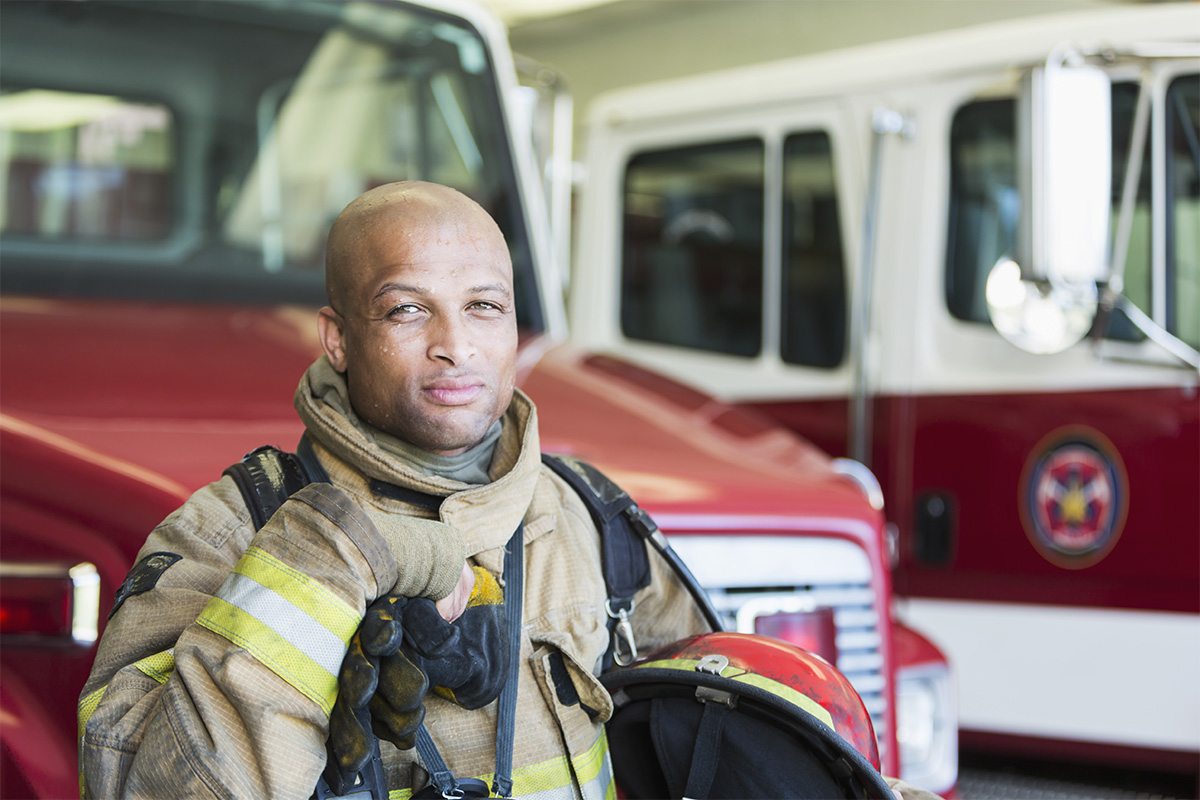
What Education Do You Need to Be a Firefighter? Complete 2026 Career Guide
Firefighting is one of the most noble and respected professions, requiring courage, physical fitness, and specialized training. If you're wondering what education do you need to be a firefighter, you'll be pleased to know that this career is more accessible than many other emergency services professions. While the path doesn't require extensive formal education, it does demand dedication, rigorous training, and a commitment to lifelong learning. This comprehensive guide covers everything you need to know about becoming a firefighter in 2026.
Quick Overview: Firefighter Education Requirements
| Requirement | Details | Notes |
|---|---|---|
| Minimum Education | High School Diploma or GED | Required for all departments |
| Age Requirement | 18-35 years old | Varies by department |
| Fire Academy Training | 12-16 weeks | Mandatory for all firefighters |
| EMT Certification | EMT-Basic minimum | Required by most departments |
| Preferred Education | Associate's or Bachelor's in Fire Science | For advancement |
| Average Salary | $50,000 - $80,000+ | Varies by location and rank |
| Job Growth (2022-2032) | 4% (As fast as average) | ~24,300 openings annually |
Basic Education Requirements for Firefighters
Understanding why education is important is the first step in any career journey. For firefighters, the educational bar is lower than many professions, but the standards are rigorous in other areas.
Minimum Educational Requirements
The baseline educational requirement to become a firefighter is a high school diploma or GED equivalent. This is consistent across virtually all fire departments in the United States. Understanding what secondary education means is essential, as this forms the foundation of your firefighting career.
High School Coursework That Helps
If you're still in high school and considering a firefighting career, certain courses can give you a head start. When deciding which stream is best after 10th, consider focusing on:
- Biology and Anatomy: Understanding the human body for medical emergencies
- Chemistry: Knowledge of combustion, hazardous materials, and fire behavior
- Physics: Understanding structural mechanics and fire dynamics
- Physical Education: Building the fitness foundation you'll need
- Shop/Technical Classes: Mechanical skills for equipment operation and maintenance
Age and Physical Requirements
Beyond education, firefighters must meet strict age and physical standards. Use our age calculator to determine if you meet your department's requirements.
- Minimum Age: 18 years old (21 in some departments)
- Maximum Age: Typically 28-35, though many departments are removing age caps
- Valid Driver's License: Required, with clean driving record
- U.S. Citizenship: Required for most departments (some accept permanent residents)
- Background Check: Clean criminal record required
Physical Fitness Standards
Firefighting is physically demanding. Maintaining a healthy BMI and fitness level is crucial. Our BMI calculator can help you assess your current fitness level. Most departments require candidates to pass the Candidate Physical Ability Test (CPAT), which includes:
- Stair climb with weighted vest
- Hose drag
- Equipment carry
- Ladder raise and extension
- Forcible entry simulation
- Search and rescue simulation
- Rescue drag (165-lb dummy)
- Ceiling breach and pull
Step-by-Step Path to Becoming a Firefighter
Step 1: Complete High School Education
Focus on graduating with a strong academic record. Learning how to study effectively will help you not just in high school, but throughout fire academy training and certification exams.
Step 2: Obtain EMT Certification
Emergency Medical Technician (EMT) certification is required by most fire departments. This is often your first taste of post-secondary education in this career path.
EMT Certification Levels
| Level | Training Hours | Scope | Cost |
|---|---|---|---|
| EMT-Basic | 120-150 hours | Basic life support, CPR, first aid | $1,000-$3,000 |
| EMT-Advanced | 200-400 hours | IV therapy, advanced airway management | $3,000-$5,000 |
| Paramedic | 1,200-1,800 hours | Advanced cardiac life support, medication administration | $5,000-$15,000 |
Many aspiring firefighters complete EMT training at a community college, which offers affordable programs with flexible scheduling.
Step 3: Complete Fire Academy Training
Fire academy training is the core of firefighter education. This intensive program typically lasts 12-16 weeks and covers:
- Fire Behavior and Combustion: Understanding how fires start, spread, and can be controlled
- Firefighting Techniques: Hose operations, ladder work, ventilation, and search and rescue
- Building Construction: How different structures behave during fires
- Hazardous Materials: Identifying and handling dangerous substances
- Emergency Medical Care: Advanced first aid and trauma response
- Equipment Operation: Using SCBA, pumps, and specialized tools
- Physical Training: Maintaining peak fitness throughout training
Types of Fire Academies
- Department-Sponsored Academies: Paid training after being hired
- Regional/State Academies: Self-funded training before applying to departments
- College-Based Programs: Combined academic and practical training
Step 4: Pass Written and Physical Examinations
Most fire departments require candidates to pass competitive examinations. Preparing for these tests is similar to studying for other standardized exams. Our guide on studying smarter, not harder can help you prepare efficiently.
Written Examination Components
- Reading comprehension and written communication
- Mathematical reasoning and calculations
- Mechanical aptitude
- Spatial orientation and map reading
- Problem-solving and judgment
If you have military experience, the firefighter exam shares similarities with the ASVAB study guide in terms of testing mechanical reasoning and problem-solving abilities.
Step 5: Complete Probationary Period
After being hired, new firefighters typically serve a probationary period of 6-12 months. During this time, you'll work alongside experienced firefighters, continuing your education on the job. Track your training hours using our hours calculator to ensure you meet all requirements.
Higher Education Options for Career Advancement
While a high school diploma gets you in the door, higher education can accelerate your career. Understanding how to maximize your postsecondary education investment is crucial if you're considering a degree.
Associate's Degree in Fire Science (2 Years)
An associate's degree is the most common higher education path for firefighters. Many complete this while working, as programs offer flexible evening and online options.
Typical Coursework
- Fire Prevention and Inspection
- Fire Protection Systems
- Building Construction for Fire Protection
- Fire Behavior and Combustion
- Emergency Medical Services
- Hazardous Materials Operations
- Fire Department Organization and Management
Bachelor's Degree in Fire Science or Related Field (4 Years)
A bachelor's degree is increasingly required for promotion to officer ranks (Captain, Battalion Chief, Fire Chief). Before committing, review the average cost of college to plan your investment.
Recommended Degree Programs
- Fire Science/Fire Administration: Most directly applicable
- Emergency Management: Broader disaster response focus
- Public Administration: Preparation for leadership roles
- Criminal Justice: Understanding of public safety systems
Graduate Degrees for Executive Leadership
Understanding what graduate-level education involves is important if you aspire to reach the highest ranks. Fire chiefs and department executives increasingly hold master's degrees in:
- Executive Fire Leadership
- Public Administration (MPA)
- Emergency Management
- Business Administration (MBA)
Specialized Certifications for Firefighters
Beyond basic qualifications, firefighters can pursue specialized certifications to enhance their skills and career prospects:
Essential Certifications
| Certification | Issuing Body | Purpose |
|---|---|---|
| Firefighter I & II | NFPA/State Fire Marshal | Basic firefighting competency |
| Hazmat Operations/Technician | NFPA/OSHA | Hazardous materials response |
| Technical Rescue | NFPA | Specialized rescue operations |
| Fire Inspector I & II | NFPA | Fire prevention and code enforcement |
| Fire Investigator | NFPA/IAAI | Determining fire origin and cause |
| Fire Officer I-IV | NFPA | Leadership and management |
Department-Specific Requirements
Different fire departments have varying requirements. Here are examples from major metropolitan areas:
FDNY (New York City Fire Department)
- High school diploma or GED required
- Plus ONE of the following:
- 15 college credits from an accredited institution
- Full-time military service with honorable discharge
- Six months of full-time paid work experience
LAFD (Los Angeles Fire Department)
- High school diploma or equivalent
- EMT certification required before appointment
- Valid California driver's license
- Age 18-35 at time of application
Chicago Fire Department
- High school diploma or GED
- EMT-Basic certification preferred
- Chicago residency preferred
- Age 18-37 at application
Firefighter Salary and Career Outlook
While firefighting isn't among the highest-salary career courses, it offers excellent job security, benefits, and opportunities for advancement. Use our salary calculator to estimate your potential earnings.
Salary by Rank (2026 Estimates)
| Rank | Average Salary | Education Typically Required |
|---|---|---|
| Probationary Firefighter | $35,000 - $45,000 | High School + Academy |
| Firefighter | $45,000 - $65,000 | High School + Academy |
| Engineer/Driver | $55,000 - $75,000 | Associate's preferred |
| Lieutenant | $65,000 - $85,000 | Associate's required |
| Captain | $75,000 - $100,000 | Bachelor's often required |
| Battalion Chief | $90,000 - $130,000 | Bachelor's required |
| Fire Chief | $100,000 - $200,000+ | Master's often required |
Benefits Beyond Salary
- Pension Plans: Most departments offer defined benefit retirement plans
- Health Insurance: Comprehensive coverage for family
- Schedule: Typically 24-hour shifts with 48-72 hours off
- Job Security: High stability in public sector employment
- Early Retirement: Many can retire after 20-25 years of service
Skills Required for Firefighting Success
Beyond formal education, firefighters need strong mental skills. Learning how to focus under pressure is essential in emergency situations.
Physical Skills
- Strength: Ability to lift and carry heavy equipment
- Endurance: Sustained physical effort in extreme conditions
- Flexibility: Moving through confined spaces
- Coordination: Operating equipment while wearing heavy gear
Mental and Emotional Skills
- Decision-Making: Quick, sound judgment in emergencies
- Stress Management: Remaining calm under pressure
- Teamwork: Working seamlessly with crew members
- Communication: Clear, effective information exchange
- Resilience: Coping with traumatic situations
Alternative Paths Into Firefighting
Volunteer Firefighting
Many career firefighters start as volunteers. This path provides training and experience while you meet other requirements. Volunteer departments often have lower entry requirements and provide free training.
Military to Firefighter
Military experience is highly valued in firefighting. Veterans often receive preference in hiring, and military training may substitute for some educational requirements. If you're considering military service first, our ASVAB study guide can help you prepare for enlistment.
Wildland Firefighting
Federal wildland firefighting positions (with the U.S. Forest Service, BLM, etc.) often have different requirements and can serve as a stepping stone to municipal firefighting.
Comparing Firefighting to Related Careers
If you're exploring careers in public service and emergency response, consider these related paths:
- Athletic Trainer - Similar physical fitness requirements, focus on sports medicine
- Doctor - More education but higher earning potential in emergency medicine
- Therapist - Mental health support for first responders is a growing field
- Architect - Fire safety and building codes are a specialized architecture niche
Study Resources for Aspiring Firefighters
Preparing for a firefighting career requires dedication to learning. Check out our study resources and use our AI study guide maker to prepare for written examinations and EMT certification.
As our positive quotes for students remind us, pursuing a noble profession requires perseverance and dedication. Visit our blog for more career guidance, and don't hesitate to book a demo class if you need help preparing for your firefighter exams.
Frequently Asked Questions
Do I need a college degree to become a firefighter?
No, a college degree is not required for entry-level firefighter positions. A high school diploma or GED is the minimum educational requirement for most departments. However, an associate's or bachelor's degree in fire science can give you a competitive edge and is often required for promotion to officer ranks.
How long does it take to become a firefighter?
The timeline varies but typically includes: EMT certification (2-6 months), fire academy training (3-4 months), and the hiring process (6-12 months). From start to finish, most candidates spend 1-2 years becoming certified firefighters. Add 6-12 months for the probationary period after being hired.
Is there an age limit for becoming a firefighter?
Most departments require candidates to be at least 18 years old. Maximum age limits vary widely—some departments set limits at 28-35, while others have no upper age limit. Many departments are removing age caps to attract more diverse candidates. Check with your target department for specific requirements.
Do firefighters need EMT certification?
Yes, most fire departments require at least EMT-Basic certification. Since firefighters respond to medical emergencies as well as fires, EMT training is essential. Some departments require EMT certification before applying, while others allow you to obtain it during the academy or probationary period.
What's the difference between paid and volunteer firefighters?
Paid (career) firefighters work full-time for municipal fire departments and receive salaries and benefits. Volunteer firefighters serve their communities without pay, often in rural or suburban areas. Both receive similar training, but career departments typically have more stringent hiring requirements and offer advancement opportunities.
Can I become a firefighter with a criminal record?
It depends on the nature of the offense. Most departments conduct thorough background checks and may disqualify candidates with felony convictions. Minor offenses may not be disqualifying, especially if they occurred long ago. Each department has its own policies, so it's best to be upfront about any past issues.
Conclusion: Your Path to Becoming a Firefighter
Becoming a firefighter is one of the most accessible emergency services careers in terms of formal education requirements—a high school diploma and fire academy training can get you started. However, the job demands much more: physical fitness, mental toughness, and a genuine commitment to serving your community.
While entry requirements are straightforward, advancing in this career increasingly requires higher education. An associate's or bachelor's degree in fire science can accelerate your path to officer ranks and increase your lifetime earnings significantly.
Ready to start your journey? Explore our calculators to assess your readiness, browse our blog for more career guidance, and book a demo class to get personalized support for your educational goals. The fire service needs dedicated individuals—your journey could start today.