What Education is Required to Be an Athletic Trainer? Complete 2026 Guide to AT Careers
Introduction: Why Athletic Training Education Matters More Than Ever
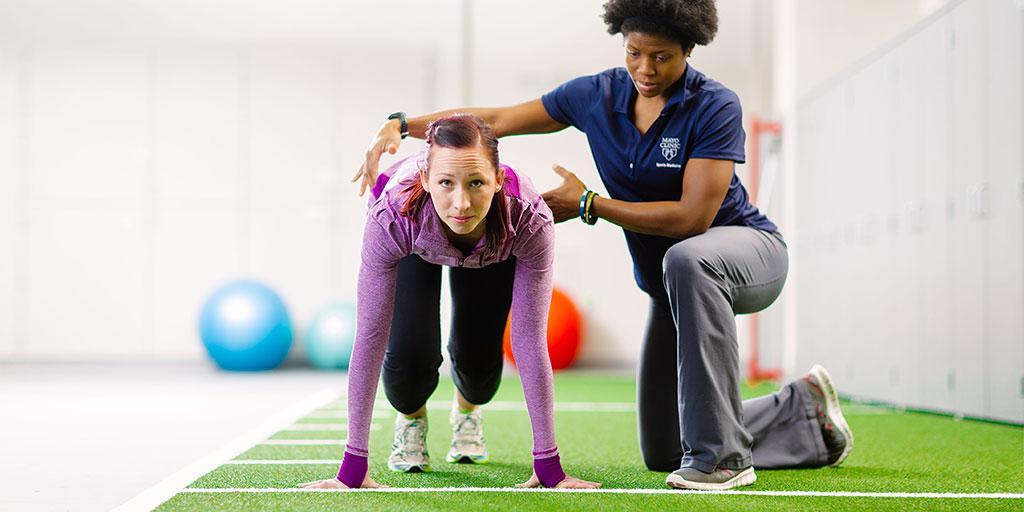
Picture this: A basketball player crumples to the floor clutching her knee. Within seconds, a professional is on the court, conducting an immediate assessment, stabilizing the injury, and making critical decisions that could affect the athlete's entire career. That professional is an athletic trainer—and behind their calm confidence lies years of rigorous education, clinical training, and professional certification.
Athletic trainers are healthcare professionals who specialize in preventing, diagnosing, and treating muscle and bone injuries and illnesses. They work not just with elite athletes, but also in high schools, colleges, hospitals, military settings, performing arts companies, and industrial workplaces. According to the Bureau of Labor Statistics, employment of athletic trainers is projected to grow 17% from 2023 to 2033—much faster than the average for all occupations—with approximately 3,000 openings each year.
But becoming an athletic trainer isn't as simple as loving sports and knowing first aid. The profession requires specific educational credentials, extensive clinical experience, board certification, and ongoing professional development. In 2026, the educational requirements are more rigorous than ever before, ensuring that athletic trainers are qualified to provide comprehensive healthcare services.
Whether you're a high school student exploring healthcare careers, a college student considering a major change, or a professional looking to transition into athletic training, this comprehensive guide will walk you through every educational requirement, certification step, and career consideration you need to know.
The Educational Pathway: Bachelor's to Master's Degree Requirements
Understanding the 2026 Requirement: Master's Degree is Now Mandatory
Here's the most important thing to understand: As of 2022, all students must graduate from a master's degree program in athletic training to be eligible for BOC certification. The bachelor's-only pathway has been phased out. This means that to become a certified athletic trainer (ATC), you must complete either:
- A 3+2 or 4+2 program (bachelor's in any field + master's in athletic training)
- A bachelor's degree in athletic training + master's in athletic training (some programs allow this structure)
- A professional master's program in athletic training after completing a bachelor's in a related field like exercise science, kinesiology, or biology
Dr. Kathy Schniedwind, Director of Athletic Training Education at a major university, explains: "The shift to a master's degree requirement reflects the increasing complexity of healthcare and the expanded role of athletic trainers. Today's ATs are making clinical decisions that require advanced knowledge in pharmacology, diagnostic imaging, immediate care, and evidence-based practice. The extra education ensures our graduates are truly healthcare professionals, not just sideline first responders."
Step 1: Bachelor's Degree (4 Years)
Your undergraduate education lays the foundation for graduate-level athletic training studies. While you can major in anything, most students choose majors that fulfill prerequisite requirements for AT graduate programs:
Recommended Undergraduate Majors
- Exercise Science/Kinesiology: The most common pathway, covering human movement, biomechanics, and physiology
- Biology: Strong foundation in anatomy, physiology, and life sciences
- Health Science: Broad healthcare knowledge with clinical exposure
- Sports Medicine: Directly focused on athletic injury and prevention
- Pre-Athletic Training: Some schools offer specialized undergraduate tracks designed to prepare for AT graduate programs
Typical Prerequisite Coursework
Master's programs in athletic training typically require specific prerequisite courses completed during your bachelor's degree:
- Anatomy & Physiology (with labs) – 2 semesters
- Exercise Physiology
- Biomechanics or Kinesiology
- Nutrition
- Statistics or Research Methods
- Chemistry (often General Chemistry)
- Physics (in some programs)
- Psychology
- Introduction to Athletic Training or Sports Medicine
- Observation/Volunteer Hours (typically 50-100 hours with a certified athletic trainer)
If you're still in high school and considering this career path, focus on excelling in science courses—particularly biology, chemistry, and anatomy if available. Understanding different educational pathways early can help you make informed decisions about your academic future.
Step 2: Master's Degree in Athletic Training (2-3 Years)
The master's degree in athletic training is where you receive the specialized professional education that qualifies you for certification. These programs are intensive, combining rigorous coursework with extensive clinical experiences.
CAATE Accreditation: The Critical Requirement
Your master's program must be accredited by the Commission on Accreditation of Athletic Training Education (CAATE). Only graduates from CAATE-accredited programs are eligible to take the Board of Certification (BOC) exam. As of 2026, there are approximately 420 accredited professional programs in the United States.
CAATE accreditation ensures that programs meet rigorous standards in:
- Curriculum content and quality
- Faculty qualifications and credentials
- Clinical education sites and preceptors
- Student outcomes and BOC pass rates
- Program resources and support
Master's Degree Curriculum
Master's programs in athletic training cover comprehensive healthcare education across multiple domains:
| Content Area | Key Topics | Clinical Application |
|---|---|---|
| Injury/Illness Prevention | Risk assessment, conditioning programs, protective equipment, environmental safety | Developing pre-season screening protocols |
| Clinical Evaluation & Diagnosis | Orthopedic assessment, special tests, differential diagnosis, diagnostic imaging | Evaluating acute injuries on-field |
| Immediate & Emergency Care | CPR, AED, spine boarding, emergency action plans, life-threatening conditions | Managing cardiac arrest, heat stroke, spinal injuries |
| Treatment & Rehabilitation | Therapeutic modalities, manual therapy, exercise prescription, return-to-play criteria | Creating rehab progressions for ACL injuries |
| Pharmacology | Drug classifications, administration, interactions, banned substances | Managing medications in collegiate athletics |
| Psychosocial Intervention | Mental health, referral protocols, behavioral intervention, counseling techniques | Supporting athletes with anxiety or depression |
| Healthcare Administration | Insurance, documentation, budgeting, facility management, legal considerations | Managing an athletic training facility budget |
| Professional Development | Evidence-based practice, research literacy, ethics, advocacy | Evaluating research to inform clinical decisions |
The curriculum is designed around the BOC Practice Analysis, which defines the knowledge and skills athletic trainers must possess for safe, effective practice.
Clinical Education: The Heart of AT Programs
Clinical education is where theory meets practice. Master's programs require extensive hands-on experience under the supervision of preceptors (experienced certified athletic trainers or physicians).
Typical clinical requirements include:
- Minimum of 2 years (4 semesters) of clinical experience
- 900-1,200+ clinical hours total (varies by program)
- Rotations across diverse settings: high school athletics, collegiate athletics, physician offices, hospitals, industrial settings, military bases
- Experience with various populations: youth, collegiate, professional, performing arts, general public
- Documented proficiency in specific skills through competency assessments
Marcus Thompson, a second-year AT student, shares: "My clinical rotations transformed my understanding of athletic training. In the classroom, you learn techniques. In the clinic, you learn when to use them, how to communicate with athletes, and how to think on your feet when nothing goes according to plan. I've worked with football players, dancers, industrial workers recovering from back injuries, and military personnel—each setting taught me something different about healthcare delivery."
Interested in healthcare careers that require advanced education? You might also want to explore what education is needed to become a doctor or pharmacist education requirements to compare different healthcare pathways.
Board of Certification (BOC): The Essential Credential
Understanding BOC Certification
After completing your master's degree from a CAATE-accredited program, you must pass the Board of Certification (BOC) examination to become a certified athletic trainer (ATC). The BOC is the only accredited certification organization for athletic trainers in the United States.
Key facts about BOC certification:
- The exam tests knowledge across five domains of athletic training practice
- Format: Computer-based test with 150 multiple-choice questions and 25 pretest questions (not scored)
- Duration: 4 hours
- Cost: $385 application fee + $330 exam fee (2026)
- Pass rate: Approximately 83% for first-time test-takers (2023 data)
- Required for employment: Nearly all states require BOC certification for athletic training practice
BOC Exam Content Domains
| Domain | % of Exam | Focus Areas |
|---|---|---|
| Injury/Illness Prevention & Wellness Promotion | 21% | Pre-participation exams, equipment fitting, environmental monitoring, wellness education |
| Examination, Assessment & Diagnosis | 30% | History taking, physical examination, special tests, diagnostic reasoning, referrals |
| Immediate & Emergency Care | 18% | Life-threatening conditions, emergency response, spine management, environmental emergencies |
| Treatment & Rehabilitation | 21% | Therapeutic interventions, modalities, exercise progression, return-to-activity criteria |
| Organizational & Professional Health & Well-Being | 10% | Healthcare administration, legal/ethical practice, documentation, insurance, advocacy |
Preparing for the BOC exam requires dedicated study time. Most programs integrate BOC preparation throughout the curriculum, and students typically spend 2-3 months of focused review before taking the exam. Looking for effective study strategies for comprehensive exams? Our study guides can help you develop effective preparation techniques.
State Licensure and Regulation
After obtaining BOC certification, you must meet your state's licensure or registration requirements. As of 2026, 49 states regulate athletic training practice (California is the only exception, though regulation is under consideration).
State requirements typically include:
- BOC certification (prerequisite)
- Application and fees ($50-200)
- Background checks
- Continuing education for renewal (typically 50 CEUs every 2 years)
Understanding certification and licensure requirements in different professions can help you appreciate the rigorous standards athletic trainers must meet.
Program Costs and Financial Considerations
Total Cost Breakdown
Understanding the financial investment required for athletic training education is crucial for planning:
| Education Component | Public School (In-State) | Private School |
|---|---|---|
| Bachelor's Degree (4 years) | $40,000 - $80,000 | $120,000 - $200,000 |
| Master's in AT (2-3 years) | $20,000 - $50,000 | $60,000 - $120,000 |
| BOC Exam & Application | $715 | $715 |
| State Licensure | $50 - $200 | $50 - $200 |
| Books, Equipment & Supplies | $3,000 - $5,000 | $3,000 - $5,000 |
| Total Estimated Cost | $63,765 - $135,915 | $183,765 - $325,915 |
Financial Aid and Funding Options
- Federal Student Aid (FAFSA): Grants, loans, and work-study programs for undergraduate and graduate education
- Graduate Assistantships: Many AT master's programs offer assistantships that provide tuition waivers and stipends ($10,000-20,000/year) in exchange for working with university athletic teams
- NATA Scholarships: The National Athletic Trainers' Association offers multiple scholarships for AT students
- State-Specific Programs: Some states offer loan forgiveness for healthcare professionals who work in underserved areas
- Military Service: The military employs athletic trainers and offers education benefits like the GI Bill
- Employer Tuition Assistance: Some healthcare systems offer tuition reimbursement for employees pursuing AT degrees
When considering the financial investment, it's helpful to think about maximizing your postsecondary education investment through assistantships, networking, and building practical skills during your program.
Career Outlook and Salary Expectations
Employment Growth and Demand
The athletic training profession is experiencing robust growth driven by several factors:
- 17% projected job growth from 2023-2033 (BLS)—much faster than average
- Approximately 3,000 job openings annually
- Current workforce: 36,000+ certified athletic trainers in the U.S.
- Expanding practice settings beyond traditional sports
Dr. Michael Goldenberg, NATA President, states: "Athletic trainers are increasingly recognized as essential healthcare providers. We're seeing growth not just in schools and sports teams, but in hospitals, physicians' offices, military bases, performing arts companies, and occupational settings. The versatility of our education allows us to work wherever musculoskeletal healthcare is needed."
Salary and Compensation
According to the Bureau of Labor Statistics (May 2023 data):
- Median annual salary: $51,510
- 10th percentile: $36,960
- 90th percentile: $77,610
- Top-paying states: District of Columbia ($75,470), Texas ($61,230), New Jersey ($60,800), Connecticut ($60,450)
Salary varies significantly by setting:
- Physician Offices: $57,640 median
- Hospitals: $56,270 median
- Colleges & Universities: $48,960 median
- Elementary & Secondary Schools: $52,400 median
- Professional Sports: $45,000 - $100,000+ (highly variable based on league and experience)
Work Settings and Opportunities
Athletic trainers work in diverse settings:
- Traditional Sports Settings (50% of ATs): High schools, colleges, professional teams, Olympic training centers
- Clinical Settings (35%): Physician offices, hospitals, physical therapy clinics, sports medicine centers
- Industrial/Occupational (5%): Manufacturing plants, construction sites, logistics companies—preventing workplace injuries
- Military (3%): Army, Navy, Air Force, Marines—supporting service member health
- Performing Arts (2%): Dance companies, theater productions, circus performers
- Public Safety (2%): Police departments, fire departments, tactical teams
- Other (3%): NASCAR, rodeo, esports, fitness centers, educational roles
Thinking about healthcare careers? You might want to compare athletic training with other healthcare professions by exploring what education is needed to become a chef or other specialized training programs to understand diverse career pathways.
Alternative Pathways and Career Advancement
Transitioning from Another Career
Many people discover athletic training after working in other fields. If you already have a bachelor's degree in any subject, you can pursue a professional master's program in athletic training. This pathway typically takes 2-3 years and includes all the coursework and clinical experiences required for BOC eligibility.
Common backgrounds of career changers:
- Former athletes seeking to stay in sports
- Fitness trainers wanting clinical credentials
- Physical therapy or nursing professionals seeking specialization
- Teachers transitioning from education to healthcare
- Military veterans with healthcare experience
Advanced Degrees and Specializations
After obtaining your master's in athletic training and BOC certification, you can pursue further education:
- Doctoral Degrees (PhD or EdD): For research, teaching, or leadership positions in higher education
- Post-Professional Master's or Certificates: Specialized training in orthopedics, strength and conditioning, sports nutrition, or sports psychology
- MBA or MHA: Business or healthcare administration degrees for management roles
- Medical School: Some athletic trainers pursue MD or DO degrees to become sports medicine physicians
Understanding what graduate-level education entails can help you plan for advanced degrees and career growth in athletic training.
Is Athletic Training Right for You? Key Considerations
Essential Qualities for Success
Athletic training requires specific personal qualities beyond academic credentials:
- Strong Science Foundation: Comfort with anatomy, physiology, biomechanics, and evidence-based practice
- Communication Skills: Ability to explain complex medical information to athletes, coaches, and families
- Critical Thinking: Quick decision-making in emergency situations
- Physical Stamina: Long hours on your feet, often outdoors in extreme weather
- Empathy and Patience: Working with injured or frustrated athletes requires emotional intelligence
- Flexibility: Irregular hours, including nights, weekends, and travel
- Passion for Healthcare and Athletics: Genuine interest in both medicine and sports/activity
Challenges to Consider
Be realistic about the challenges:
- Work-Life Balance: Athletic training often involves long, irregular hours—especially in traditional sports settings
- Salary Considerations: Starting salaries are modest relative to the educational investment, though they improve with experience
- Physical Demands: The job can be physically taxing—lifting athletes, equipment, and standing for extended periods
- Emotional Toll: Witnessing severe injuries and career-ending conditions can be emotionally difficult
- Job Market Competition: Traditional sports positions are competitive; clinical and emerging settings offer more opportunities
Jennifer Martinez, head athletic trainer at a Division I university, reflects: "I love my job, but I won't sugarcoat it—the hours are brutal during football season. I miss family gatherings, work most weekends, and sometimes feel like I live at the stadium. But when a player I've rehabbed for months scores the winning touchdown, or a freshman tells me I saved their season by catching a stress fracture early, those moments make everything worthwhile. You have to truly love this profession to sustain it long-term."
Getting Started: Steps for High School and College Students
For High School Students
- Excel in science courses—particularly biology, chemistry, anatomy, and physics
- Shadow a certified athletic trainer at your school or a local clinic to understand the profession
- Participate in sports or physical activities to understand athlete perspectives
- Get certified in CPR and First Aid through organizations like Red Cross
- Research colleges with strong pre-AT programs or direct pathways to CAATE-accredited master's programs
- Join NATA as a high school student member for resources and networking
For College Students (Undergraduate)
- Complete all prerequisite coursework for AT graduate programs
- Maintain a strong GPA (most programs require 3.0 minimum, competitive programs want 3.5+)
- Accumulate observation hours with certified athletic trainers (50-100+ hours)
- Gain healthcare experience through EMT certification, physical therapy aide work, or medical volunteering
- Develop relationships with professors who can write strong letters of recommendation
- Prepare for the GRE if required by your target programs (not all require it)
- Apply to multiple CAATE-accredited programs (programs are competitive; acceptance rates range from 15-50%)
For guidance on academic preparation and study resources for science courses, TheTutorBridge offers class-specific materials to help you excel in your prerequisite coursework.
Conclusion: Your Path to Becoming a Certified Athletic Trainer
Becoming an athletic trainer requires significant dedication—a minimum of 6-7 years of education, extensive clinical training, board certification, and state licensure. The educational journey is rigorous, combining advanced healthcare coursework with hands-on clinical experiences across diverse settings. The financial investment ranges from approximately $64,000 to $326,000 depending on whether you attend public or private institutions.
But for those passionate about healthcare, athletics, and helping people optimize their physical performance, athletic training offers a uniquely rewarding career. You'll work in dynamic environments, from Friday night football games to Olympic training centers to hospital emergency departments. You'll make split-second decisions that protect athletes' health and long-term wellbeing. You'll build relationships with the people you serve and witness their triumphant returns to activity after injury.
The profession is evolving rapidly. Athletic trainers are increasingly recognized as essential healthcare providers, with expanding roles in hospitals, physician practices, military units, and occupational settings. The 17% projected job growth through 2033 reflects this expanding scope and growing demand.
Dr. Marjorie Albohm, past president of NATA and pioneer in the profession, reflects: "When I started in athletic training decades ago, we fought for recognition as legitimate healthcare professionals. Today, athletic trainers are Board Certified, licensed in 49 states, and practice across healthcare settings. The elevated educational standards—requiring a master's degree—ensure that tomorrow's athletic trainers will be even better prepared to meet the complex healthcare needs of active populations. It's an exciting time to enter this profession."
If you're ready to commit to the education, embrace the challenges, and dedicate yourself to helping others move and perform at their best, athletic training offers a fulfilling career path that combines science, sports, and service.
Next Steps: How TheTutorBridge Can Support Your Journey
Whether you're in high school preparing for college-level science courses, or a college student working through challenging prerequisite coursework, TheTutorBridge can help you succeed academically:
- Science Course Support: Expert tutoring in biology, chemistry, anatomy, physiology, and physics
- Test Preparation: Strategies for acing college entrance exams and maintaining strong GPAs
- Study Skills Development: Learn effective study techniques for complex healthcare material
- Career Guidance: Explore whether healthcare careers align with your interests and strengths
Ready to excel in your science courses and build a strong foundation for athletic training school? Book a free demo class today and discover how personalized tutoring can help you achieve your academic goals.
You can also explore our career guidance services to discuss your career aspirations with experienced counselors who can help you map out your educational pathway, or use our AI Study Guide Maker to create personalized study plans for your prerequisite courses.
Your journey to becoming a certified athletic trainer starts with strong academic preparation—let TheTutorBridge help you get there.


![Where Does Florida Rank in Education K-12? [2026 State Rankings & Data]](/blog-images/0d1c934efb384affa1550c95d04d22f3.png)