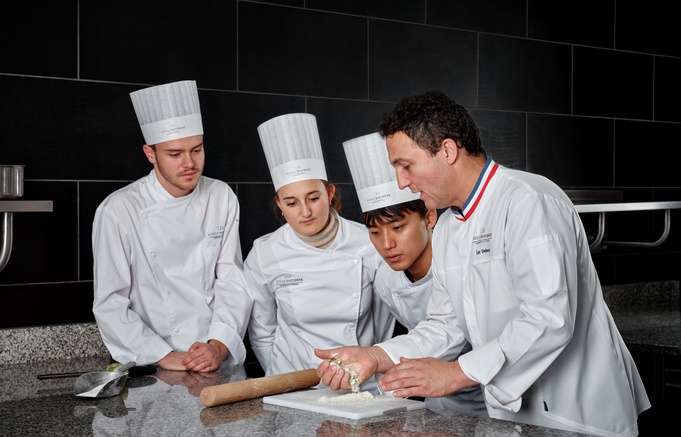
What Education Is Required to Be a Chef? Complete 2026 Career Guide
What Education Is Required to Be a Chef? Complete 2026 Career Guide
The culinary arts offer one of the most dynamic and rewarding career paths for those passionate about food, creativity, and the art of hospitality. Whether you dream of running a Michelin-starred restaurant, creating innovative dishes as a private chef, or leading a bustling hotel kitchen, becoming a professional chef opens doors to endless possibilities. Unlike many professions that require specific degrees, the path to becoming a chef is remarkably flexible—you can enter through formal culinary education, apprenticeships, or by working your way up from entry-level positions.
According to the U.S. Bureau of Labor Statistics, employment of chefs and head cooks is projected to grow 5 percent from 2022 to 2032, with approximately 21,800 openings projected each year. The restaurant industry continues to expand, and the demand for skilled culinary professionals extends beyond traditional restaurants to include hotels, cruise ships, corporate dining, healthcare facilities, and private households. With the rise of food media, celebrity chefs, and farm-to-table movements, the culinary profession has never been more visible or respected.
This comprehensive guide explores every educational pathway available to aspiring chefs in 2026, from prestigious culinary institutes to hands-on apprenticeships. Whether you're a high school student considering culinary school, a career changer exploring new possibilities, or someone already working in kitchens seeking to advance, this article provides the detailed roadmap you need to build a successful culinary career.
Understanding the Different Types of Culinary Professionals
Before exploring educational requirements, it's important to understand that "chef" encompasses various positions with different responsibilities, skill requirements, and educational backgrounds. The culinary hierarchy has evolved over centuries, and understanding these distinctions helps you identify which path aligns with your career goals.
Executive Chef (Chef de Cuisine)
The Executive Chef is the highest-ranking chef in a kitchen, responsible for menu creation, food quality, kitchen operations, staff management, and budget oversight. Executive chefs typically have 10-15+ years of experience and often hold formal culinary degrees. They spend more time managing than cooking, requiring strong leadership, business acumen, and creativity. Annual salaries range from $60,000 to $100,000+, with top chefs at prestigious restaurants earning significantly more.
Sous Chef
The Sous Chef serves as second-in-command, directly assisting the executive chef and managing day-to-day kitchen operations. Sous chefs supervise line cooks, ensure food quality and consistency, and step in when the executive chef is absent. This position typically requires 5-10 years of experience, strong technical skills, and leadership abilities. Many sous chefs hold associate or bachelor's degrees in culinary arts.
Line Cook (Chef de Partie)
Line cooks work specific stations in the kitchen—sauté, grill, pastry, garde manger (cold foods), or others depending on the restaurant's organization. This is where most culinary careers begin, and it's where you develop the fundamental skills, speed, and consistency required for advancement. Line cooks may have culinary certificates, associate degrees, or no formal education beyond on-the-job training.
Pastry Chef (Pâtissier)
Pastry chefs specialize in desserts, breads, and baked goods, requiring distinct skills from savory cooking. Pastry work demands precision, patience, and artistic ability. Many pastry chefs complete specialized pastry programs or obtain additional certifications beyond general culinary training. The baking and pastry arts path often leads to positions in bakeries, pastry shops, hotels, or as dessert specialists in fine dining establishments.
Personal/Private Chef
Personal chefs work for individual clients or families, preparing meals in private homes. This role requires versatility, discretion, and the ability to accommodate dietary preferences and restrictions. Private chefs often have formal culinary training and may specialize in specific cuisines or dietary approaches. The position offers flexibility and potentially high compensation, especially for chefs working with high-net-worth clients.
Educational Pathways to Becoming a Chef
Unlike professions such as medicine or law, becoming a chef doesn't require specific educational credentials. However, formal training can accelerate your career, provide valuable networking opportunities, and give you a competitive edge in a crowded job market. Here's a comprehensive overview of the educational options available:
| Educational Path | Duration | Cost Range | Best For |
|---|---|---|---|
| Certificate Program | 6-12 months | $5,000-$30,000 | Quick entry, career changers |
| Associate Degree | 2 years | $20,000-$60,000 | Comprehensive foundation |
| Bachelor's Degree | 4 years | $80,000-$200,000 | Management aspirations |
| Apprenticeship | 2-3 years | Free (paid training) | Hands-on learners |
| On-the-Job Training | Varies | Free (entry wages) | Self-starters, budget-conscious |
Culinary Certificate Programs (6-12 Months)
Certificate programs offer the fastest route to professional kitchen employment, providing intensive training in fundamental cooking techniques, food safety, and kitchen operations. These programs are ideal for career changers, those seeking quick entry into the workforce, or individuals who want to test their passion for cooking before committing to a longer program.
What You'll Learn in a Certificate Program
- Knife Skills and Kitchen Safety: Proper cutting techniques, equipment handling, and safety protocols
- Cooking Methods: Sautéing, braising, roasting, grilling, poaching, and other fundamental techniques
- Food Safety and Sanitation: ServSafe certification preparation, HACCP principles, and health code compliance
- Stock, Sauce, and Soup Production: Classical mother sauces and foundation preparations
- Meat, Poultry, and Seafood Fabrication: Butchery basics and protein preparation
- Introduction to Baking and Pastry: Basic bread, pastry, and dessert techniques
Certificate programs typically cost between $5,000 and $30,000, depending on the institution and location. Community colleges often offer more affordable options, while prestigious culinary schools charge premium tuition. If you're exploring educational investments, understanding why education is important can help you evaluate the return on your culinary education investment.
Associate Degree in Culinary Arts (2 Years)
An Associate of Applied Science (AAS) or Associate of Occupational Studies (AOS) in Culinary Arts provides comprehensive training that combines hands-on cooking instruction with academic coursework in nutrition, food science, menu planning, and basic business management. This is the most common degree level for professional chefs and provides an excellent balance of practical skills and theoretical knowledge.
Core Curriculum Components
Associate degree programs build upon certificate-level skills while adding depth and breadth to your culinary education:
- Advanced Cooking Techniques: Refined methods, plating, and presentation skills
- International Cuisines: French, Italian, Asian, Latin American, and other global cooking traditions
- Nutrition and Menu Planning: Understanding nutritional requirements and designing balanced menus
- Food Science: The chemistry behind cooking, including emulsification, caramelization, and fermentation
- Cost Control and Purchasing: Food costing, inventory management, and vendor relations
- Kitchen Management: Scheduling, staff supervision, and workflow optimization
- Baking and Pastry Arts: More extensive pastry training than certificate programs offer
- Externship/Internship: Required hands-on experience in professional kitchens
Most associate programs require general education courses in English, mathematics, and communication, providing a well-rounded education that prepares graduates for both kitchen work and potential management roles. To track your academic progress through your culinary program, consider using our GPA calculator to monitor your performance.
Bachelor's Degree in Culinary Arts (4 Years)
A Bachelor of Science (BS) or Bachelor of Professional Studies (BPS) in Culinary Arts Management or Hospitality combines culinary training with extensive business education. This degree is ideal for those aspiring to executive chef positions, food service directors, or culinary entrepreneurs who need both kitchen expertise and management skills.
Additional Coursework Beyond Associate Level
Bachelor's programs add significant business and management content to the culinary foundation:
- Restaurant Operations and Management: Front-of-house operations, customer service, and full-service restaurant management
- Hospitality Marketing: Branding, social media, and marketing strategies for food service businesses
- Human Resource Management: Hiring, training, employee relations, and labor law
- Financial Management: Accounting, budgeting, financial analysis, and profit optimization
- Food and Beverage Management: Wine and beverage programs, bar management, and pairing principles
- Entrepreneurship: Business planning, franchise operations, and starting your own restaurant
- Advanced Culinary Concepts: Molecular gastronomy, sustainable cuisine, and culinary innovation
Bachelor's degree graduates often advance more quickly to management positions and earn higher starting salaries than those with associate degrees or certificates. For those considering other professional paths that require advanced education, you might explore similar guides like what education is needed to become a doctor or what education is required to be an architect for comparison.
Top Culinary Schools in the United States
The quality of culinary education varies significantly between institutions. Attending a reputable culinary school can provide better networking opportunities, more experienced instructors, superior facilities, and stronger job placement assistance. Here are some of the most respected culinary institutions:
The Culinary Institute of America (CIA)
Founded in 1946, the CIA is widely considered the premier culinary school in the United States. With campuses in Hyde Park, New York; St. Helena, California; San Antonio, Texas; and Singapore, the CIA offers associate and bachelor's degrees in culinary arts, baking and pastry arts, and culinary science. Notable alumni include Anthony Bourdain, Grant Achatz, and countless other influential chefs. Tuition for a bachelor's degree program runs approximately $35,000-$40,000 per year.
Johnson & Wales University
Johnson & Wales operates campuses in Providence, Rhode Island; Charlotte, North Carolina; and Denver, Colorado. Known for combining culinary education with strong business training, J&W offers programs from associate degrees through doctoral programs in hospitality. The university's Career Education program provides extensive internship opportunities with leading restaurants and hotels.
Le Cordon Bleu
Originally founded in Paris in 1895, Le Cordon Bleu operates culinary schools worldwide, teaching classical French techniques that form the foundation of Western cuisine. While most U.S. locations have closed, Le Cordon Bleu maintains international campuses and offers online programs. The institution's Grand Diplôme program combines culinary arts and pastry arts training.
Institute of Culinary Education (ICE)
Located in New York City and Los Angeles, ICE offers career training programs in Culinary Arts, Pastry & Baking Arts, Health-Supportive Culinary Arts, Restaurant & Culinary Management, and Hospitality Management. ICE is known for its hands-on approach, industry connections, and career services.
Community College Programs
Many community colleges offer excellent culinary programs at a fraction of the cost of private culinary schools. Programs at community colleges like Kendall College in Chicago, Los Angeles Trade-Technical College, or local institutions throughout the country provide quality training with more affordable tuition. These programs often have strong local industry connections and job placement rates.
Culinary School Costs and Financial Considerations
Culinary education represents a significant financial investment, and understanding the full costs helps you make informed decisions:
| Program Type | Private School | Community College | Additional Costs |
|---|---|---|---|
| Certificate (6-12 mo) | $15,000-$35,000 | $5,000-$15,000 | $1,000-$3,000 |
| Associate Degree (2 yr) | $40,000-$80,000 | $15,000-$30,000 | $2,000-$5,000 |
| Bachelor's Degree (4 yr) | $120,000-$200,000 | $40,000-$80,000 | $4,000-$8,000 |
Additional costs include knife sets ($200-$1,500), uniforms ($200-$500), textbooks ($500-$1,500), and lab fees. Students should also budget for housing and living expenses if attending school away from home.
Financial aid options include federal student loans, Pell Grants for eligible students, institutional scholarships, culinary association scholarships (ACF, Women Chefs & Restaurateurs, James Beard Foundation), and employer tuition assistance programs. To estimate your potential earnings against educational costs, our salary calculator can help you analyze the return on investment.
Apprenticeships: The Traditional Path
Long before culinary schools existed, chefs learned their craft through apprenticeships—working alongside experienced professionals while earning wages. This traditional path remains viable today and offers several advantages: no tuition costs, immediate income, and real-world experience from day one.
American Culinary Federation (ACF) Apprenticeship Program
The ACF, the largest professional chefs' organization in North America, offers a nationally recognized apprenticeship program that combines 6,000 hours of on-the-job training with 576 hours of related classroom instruction over 2-3 years. Upon completion, apprentices receive ACF certification and are prepared for entry-level chef positions.
ACF apprenticeships are available at participating restaurants, hotels, resorts, and culinary programs throughout the United States. Benefits include structured training curriculum, mentorship from certified chef instructors, no tuition costs (apprentices are paid employees), industry-recognized certification, and networking within the ACF community.
European-Style Apprenticeships
In Europe, particularly in France, Germany, and Switzerland, formal culinary apprenticeships lasting 2-3 years are the standard path to becoming a chef. These programs combine work at restaurants with vocational school attendance. Some American chefs pursue European apprenticeships to gain international experience and classical training, though this requires navigating visa requirements and language barriers.
On-the-Job Training: Working Your Way Up
Many successful chefs never attended culinary school, instead learning their craft entirely through kitchen experience. This path requires dedication, patience, and finding the right mentors, but it's a legitimate route to culinary success that costs nothing in tuition.
The Kitchen Hierarchy and Progression
Starting without formal education typically means beginning at entry-level positions and working upward:
- Prep Cook/Kitchen Helper: Basic food preparation, cleaning, and assisting line cooks (entry level)
- Line Cook: Working a specific station, executing recipes consistently (1-3 years)
- Station Chef (Chef de Partie): Mastering and managing a specific station (3-5 years)
- Sous Chef: Second-in-command, supervisory responsibilities (5-10 years)
- Executive Chef: Head chef, full kitchen responsibility (10-15+ years)
This path takes longer than formal education but provides extensive practical experience. Many self-taught chefs supplement their kitchen experience with reading, online courses, short workshops, and certifications to fill knowledge gaps.
Essential Skills Every Chef Must Develop
Regardless of educational pathway, successful chefs must master certain technical skills, soft skills, and business competencies. Understanding these requirements helps you evaluate educational programs and identify areas for personal development.
Technical Skills
- Knife Skills: Speed, precision, and safety with various cutting techniques
- Cooking Methods: Mastery of dry-heat, moist-heat, and combination cooking techniques
- Sauce Making: Understanding mother sauces and their derivatives
- Protein Cookery: Proper handling and cooking of meat, poultry, seafood
- Garde Manger: Cold food preparation, salads, charcuterie
- Baking Fundamentals: Basic bread, pastry, and dessert production
- Food Safety: HACCP principles, temperature control, sanitation
- Palate Development: Tasting, seasoning, and flavor balancing
Soft Skills
- Stress Management: Professional kitchens are high-pressure environments requiring composure under stress
- Time Management: Coordinating multiple dishes, tickets, and timing for service
- Communication: Clear communication with kitchen team, servers, and management
- Leadership: Motivating and directing kitchen staff as you advance
- Creativity: Developing new dishes, menus, and culinary concepts
- Attention to Detail: Consistency in plating, portioning, and quality
- Physical Stamina: Long hours standing, lifting, and working in hot environments
The importance of developing these skills extends beyond the kitchen. Similar to how special education teachers need patience and adaptability, chefs must develop interpersonal skills alongside technical expertise.
Certifications That Enhance Your Culinary Career
While not required for employment, professional certifications demonstrate competency, commitment to the profession, and can lead to higher wages and better positions. Several organizations offer respected culinary certifications:
ServSafe Certification
ServSafe is the food safety certification most commonly required by employers. Offered by the National Restaurant Association, ServSafe Manager certification demonstrates knowledge of foodborne illness prevention, proper food handling, and sanitation practices. Many states require at least one ServSafe-certified manager on duty at all times. The certification requires passing an exam and is valid for 5 years.
American Culinary Federation (ACF) Certifications
The ACF offers a tiered certification system that recognizes professional achievement:
| Certification Level | Abbreviation | Requirements | Experience Needed |
|---|---|---|---|
| Certified Culinarian | CC | Written + Practical Exam | Entry Level |
| Certified Sous Chef | CSC | Written + Practical Exam | 3+ Years |
| Certified Chef de Cuisine | CCC | Written + Practical Exam | 5+ Years |
| Certified Executive Chef | CEC | Written + Practical + Mgmt | 7+ Years |
| Certified Master Chef | CMC | 8-Day Exam | CEC + Elite Level |
The Certified Master Chef (CMC) designation is the highest level of certification in the United States, requiring an intensive 8-day practical examination. Fewer than 100 chefs in America hold this prestigious credential.
Chef Salary Expectations and Career Outlook
Chef salaries vary widely based on position, location, establishment type, and experience. Understanding compensation expectations helps you evaluate the return on your educational investment:
| Position | Entry Level | Median | Experienced/Top Tier |
|---|---|---|---|
| Prep Cook | $25,000-$30,000 | $32,000 | $35,000-$40,000 |
| Line Cook | $30,000-$35,000 | $38,000 | $42,000-$50,000 |
| Sous Chef | $40,000-$50,000 | $55,000 | $60,000-$75,000 |
| Executive Chef | $55,000-$70,000 | $68,000 | $85,000-$150,000+ |
| Private Chef | $50,000-$70,000 | $80,000 | $100,000-$200,000+ |
Location significantly impacts salaries, with chefs in major metropolitan areas (New York, San Francisco, Los Angeles) earning 20-40% more than national averages. High-end restaurants, luxury hotels, and private chef positions typically offer the highest compensation.
Industry Growth and Job Outlook
The Bureau of Labor Statistics projects 5% growth for chefs and head cooks through 2032, slightly above average for all occupations. However, turnover in the restaurant industry is high, creating approximately 21,800 openings annually. Factors driving demand include population growth and dining-out culture, expansion of food delivery services, corporate and institutional dining growth, culinary tourism, and the healthcare and senior living sector's need for quality food service.
Diverse Career Paths for Culinary Graduates
A culinary education opens doors to careers far beyond traditional restaurant cooking. Understanding the breadth of opportunities helps you plan your career trajectory:
Restaurant Industry
- Fine Dining: High-end restaurants requiring refined techniques and creativity
- Casual Dining: Chain and independent restaurants serving approachable cuisine
- Fast Casual: The growing segment between fast food and casual dining
- Catering: Events, weddings, and corporate functions
Hospitality Industry
- Hotels and Resorts: Multiple restaurants, room service, banquets, and events
- Cruise Ships: Large-scale operations serving thousands of guests
- Casinos: Multiple dining outlets within gaming establishments
- Country Clubs: Member services, events, and daily dining
Institutional Food Service
- Healthcare: Hospitals, nursing homes, and rehabilitation centers
- Education: Schools, universities, and campus dining services
- Corporate Dining: Employee cafeterias and executive dining rooms
- Military: Military bases and veteran facilities
Alternative Culinary Careers
- Food Styling and Photography: Creating beautiful food images for advertising and media
- Recipe Development: Creating recipes for food companies, publications, and brands
- Culinary Education: Teaching at culinary schools or community education programs
- Food Writing and Media: Restaurant criticism, cookbook authoring, food blogging, and content creation
- Food Product Development: Creating new products for food manufacturers
- Restaurant Consulting: Menu development, kitchen design, and operations consulting
The culinary field intersects with many other professions. For those interested in combining food with other passions, careers in food science, nutrition consulting, or culinary therapy offer unique opportunities. Similar to how professionals in other fields develop specialized expertise—like athletic trainers who combine sports and healthcare—chefs can find niches that combine culinary skills with other interests.
The Role of Continuing Education in Culinary Careers
The culinary world constantly evolves, with new techniques, ingredients, cuisines, and dietary trends emerging regularly. Successful chefs commit to lifelong learning through various means:
- Stage Programs: Unpaid or low-paid apprenticeships at prestigious restaurants to learn new techniques
- Workshops and Masterclasses: Intensive short courses with renowned chefs
- Industry Conferences: Events like StarChefs International Chefs Congress, Worlds of Flavor
- Travel and Research: Exploring cuisines in their countries of origin
- Online Learning: MasterClass, Rouxbe, and other platforms offering chef-led instruction
- Professional Reading: Cookbooks, food science texts, and industry publications
Understanding the value of ongoing education is essential in any profession. Our career guidance services can help you plan your educational journey, whether you're just starting or looking to advance your culinary career.
Comparing Culinary Education to Related Professions
If you're weighing culinary careers against other professional paths, understanding the educational requirements and outcomes of related fields can help inform your decision:
- Cosmetology: Another creative, hands-on career with flexible educational requirements. Learn about cosmetology education requirements.
- Mechanic: Trade careers offering similar hands-on learning paths. Explore mechanic education requirements.
- Firefighter: Public service careers with academy-based training. See firefighter education requirements.
- Screenwriter: Creative careers where talent and portfolio can matter more than formal degrees. Check screenwriter education requirements.
Frequently Asked Questions About Chef Education
Do I need culinary school to become a chef?
No, culinary school is not required to become a chef. Many successful chefs learned entirely through on-the-job training, apprenticeships, or self-study. However, culinary school can accelerate your career, provide networking opportunities, and give you a more comprehensive foundation in cooking techniques and food science. The best path depends on your learning style, financial situation, and career goals.
How long does it take to become a chef?
The timeline varies significantly based on your educational path and goals. Certificate programs take 6-12 months, associate degrees 2 years, and bachelor's degrees 4 years. Beyond formal education, becoming a competent line cook typically takes 1-3 years, sous chef 5-10 years total experience, and executive chef 10-15+ years. The title "chef" is earned through experience and expertise, not simply completing a degree.
What is the best culinary school?
The "best" school depends on your circumstances. The Culinary Institute of America is widely considered the most prestigious American culinary school. However, excellent programs exist at Johnson & Wales, Institute of Culinary Education, and many community colleges. Consider factors like location, cost, program length, specializations offered, externship opportunities, and career services when choosing.
Is culinary school worth the cost?
The value depends on your career goals and how you use the education. Culinary school provides faster skill development, industry connections, externship opportunities, and credentials that can help with initial employment. However, the restaurant industry's relatively modest salaries mean student debt can be burdensome. Consider more affordable options like community colleges or apprenticeships if cost is a concern. Calculate your expected salary against loan payments to evaluate the financial return.
What subjects should I study in high school to prepare for culinary school?
High school students interested in culinary careers should focus on family and consumer sciences (home economics) if available, chemistry (understanding cooking reactions), mathematics (recipe scaling, costing, measurements), business courses (for future management), art classes (plating, creativity), and foreign languages (especially French or Spanish for culinary terminology). Many high schools offer culinary arts programs or vocational training that provides early exposure to professional cooking.
Can I become a chef at any age?
Yes, people enter culinary careers at all ages. While many chefs start young, career changers successfully transition into cooking in their 30s, 40s, and beyond. Life experience, maturity, and transferable skills from other careers can be advantages. However, the physical demands of kitchen work and the typically long hours are factors to consider. Many culinary schools have students of diverse ages, and restaurants value skill and dedication regardless of when you started.
Tips for Success in Culinary School and Beyond
Whether you choose formal education or alternative paths, certain strategies increase your chances of culinary success:
During Education
- Practice Outside Class: Cook at home constantly to reinforce techniques
- Work While Studying: Part-time restaurant work provides real-world context
- Build Relationships: Network with instructors, visiting chefs, and classmates
- Maximize Externships: Choose placements strategically and make strong impressions
- Document Your Work: Photograph dishes for a portfolio
Early Career
- Stay Humble: School teaches fundamentals; real learning happens in professional kitchens
- Work in Different Environments: Gain experience in various restaurant types and cuisines
- Find Mentors: Seek chefs who invest in developing their staff
- Develop Specialties: Become known for specific skills or cuisines
- Consider Competitions: Culinary competitions build skills and visibility
If you're currently a student preparing for culinary education, our study resources can help with academic courses, and our doubt solving service provides assistance with challenging subjects.
Conclusion: Your Path to Becoming a Chef
The path to becoming a chef offers remarkable flexibility—from prestigious culinary institutes to apprenticeships to working your way up from dishwasher. Unlike many professions requiring specific credentials, the culinary world ultimately values skill, creativity, and dedication over diplomas. Your education, whether formal or informal, provides the foundation, but your career will be built through years of hard work, continuous learning, and passion for the craft.
When choosing your educational path, consider your learning style (classroom vs. hands-on), financial resources, timeline, career goals, and local opportunities. Culinary school provides structured training, credentials, and networking but comes with significant costs. Apprenticeships and on-the-job training cost nothing in tuition but require finding the right mentors and opportunities. Many successful chefs combine approaches—perhaps starting with a certificate program before advancing through kitchen ranks.
The culinary profession demands sacrifice: long hours, physical strain, working when others celebrate, and modest compensation in early career stages. But for those passionate about food and hospitality, few careers offer the same creative fulfillment, sensory engagement, and ability to bring joy to others through your craft. Whether you're drawn to the precision of fine dining, the energy of a busy restaurant kitchen, or the intimacy of cooking for private clients, the culinary world has a place for dedicated professionals.
Take the First Step Toward Your Culinary Dreams
Ready to begin your culinary journey? Start by researching programs in your area, visiting culinary schools, or seeking entry-level positions in professional kitchens. If you're still in high school or college, take advantage of any culinary or hospitality courses available, and consider part-time restaurant work to test your passion for the industry.
For students preparing for culinary education or any career path, strong academic foundations matter. Explore our career guidance services to plan your educational journey, or book a demo class with our expert tutors for academic support. And for daily inspiration throughout your journey, browse our collection of positive quotes for students to stay motivated as you pursue your culinary dreams.
The kitchen awaits. Your journey to becoming a chef starts with a single step—take it today.